
The deluge of global tech news was especially overwhelming in 2023, a year that saw the rise of generative AI, the aftermath of a funding slump, and the global ascent of Chinese shopping apps. We’ve covered a lot of it at Rest of World, but, admittedly, other outlets published some stories that made us just a little bit jealous. Here is a list of the articles, podcasts, and visual projects that we most admired this past year. They cover topics including Brazilian elections on Twitter, video game boyfriends in China, and tech’s role in the Gaza crisis.
“‘Let Me Tell Them Goodbye Before They Get Killed’: How eSIM Cards Are Connecting Palestinian Families”
By Lam Thuy Vo, The Markup
Arguably, internet access is a fundamental human right. At Rest of World, we’ve covered what can happen when it is disrupted, such as when governments shut down the internet to silence dissent or when outages harm the livelihoods of tech workers and gig workers. In this article, Lam Thuy Vo shows how Palestinians deal with an internet shutdown during war, when connectivity is vital. A poignant moment in the story is when Gaza resident Farid Sami Alzaro was finally able to go online and call his grandmother. — Zuha Siddiqui, Labor x Tech Fellow
“The Massive Guatemalan Operation That Wants to Sell Americans Their Old Clothes Back”
By Adam Minter, Bloomberg Businessweek
Central America’s Megapaca profits from the clothes the U.S. discards — mostly fast-fashion items from brands like H&M and Forever 21 that have been worn only once or twice. This thorough look into the company shows how it imported 45 million pounds of used goods from the U.S. in 2022 and resold them online and in stores throughout the region. The Megapaca brand is so well known among the Central American diaspora that the company is confident it will soon be able to open up a physical store in the U.S. — Daniela Dib, Latin America reporter
“Is Temu the Future of Buying Things?”
By John Herrman, New York Magazine
Temu has become a household name in the U.S. Just as Netflix is shorthand for an endless stream of increasingly mind-numbing content, Temu now invokes visions of a slot machine spewing piles of unbelievably cheap knockoffs, delivered to your doorstep from thousands of kilometers away. Can’t afford a pair of $130 Hokas? Just get the $35 “Home” shoes sold on Temu that, aside from their name, look identical. John Herrman deftly captures the fever dream of Temu, just as it crested over the American consumer, and rightfully puts it in the context of TikTok, another explosive Chinese tech company winning over global users. “[Temu’s] goal is to convince you, after an extended period of bent-neck brain-dead scrolling, to actually buy something, anything, for just a few dollars.” Increasingly, we’re convinced. — Michael Zelenko, executive editor
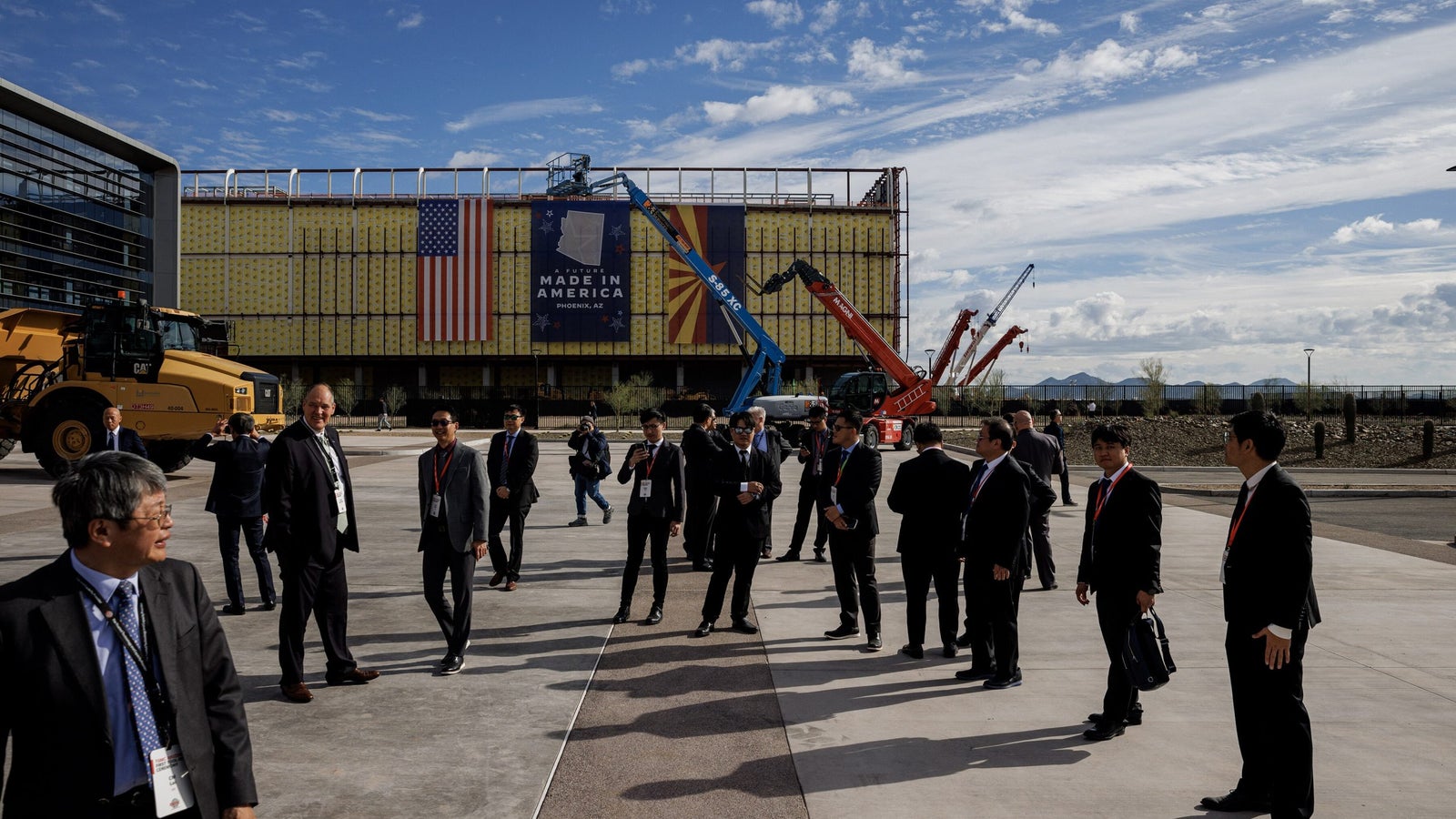
“Inside Taiwanese Chip Giant, a U.S. Expansion Stokes Tensions”
By John Liu and Paul Mozur, The New York Times
Advanced chip manufacturing moved from the United States to Asia decades ago. Is it possible for the U.S. to get it back? For this story, John Liu and Paul Mozur speak with TSMC employees to find out why the Taiwanese chip giant is struggling to transplant one of the most complicated manufacturing processes to Arizona. One challenge, according to a chip engineer, is that “Americans are the most difficult to manage.” — Viola Zhou, China reporter
“A professor was murdered after a Facebook post branded him a traitor. Was Facebook complicit in his death?”
By Tekendra Parmar, Business Insider
In the weeks before Ethiopian professor Meareg Amare was murdered in front of his home, Facebook repeatedly ignored reports to take down posts doxxing him and lodging false criminal accusations against him based on his ethnicity. That’s the finding that leads this Business Insider investigation. But the story goes deeper, painting a picture of widespread negligence by Facebook through its Trusted Partners program. The program leans on local civil society groups around the world to flag posts for takedowns in regional languages. Six such partners allege Facebook routinely refused to listen to their expert recommendations, even in Amare’s case, when the posts clearly put his life at risk. — Andrew Deck, reporter

“An Internet Shutdown Means Manipur Is Burning in the Dark”
By Parth M.N., Wired
The horrifying opening scene of this story on the Manipur conflict will haunt you long after you’ve finished reading the piece. It details just a single example of the brutal conflict between the Meitei and Kuki-Zo communities that has engulfed the region, claiming more than a hundred lives and displacing thousands of people. The violence erupted in May, but, thanks to an internet blackout, went largely unreported for months. Parth M.N. was among the Indian journalists who visited the region when news of the situation finally began to leak out, and he relates the heartbreaking testimonies of people caught up in the brutality. The Indian government claims internet blackouts help stem disinformation and maintain peace, but human rights organizations say the extent of the violence might have been averted if people in Manipur had been able to raise the alarm. It’s a distressing read. — Victoria Turk, Features director
“The Santiago Boys”
By Evgeny Morozov, Post-Utopia and Chora Media
In the 1970s, Chile’s government had a revolutionary idea: What if technology served the public good? This nine-part podcast tells the story of a group of young, utopian tech engineers who were hired by Chilean President Salvador Allende to create a more egalitarian economy. Evgeny Morozov details their Cybersyn project, how the coup against Allende interrupted it, and “what could have been.” The episodes are long and dense, with a dizzying amount of information, but everything falls into place at the end. — Laís Martins, Labor x Tech Fellow
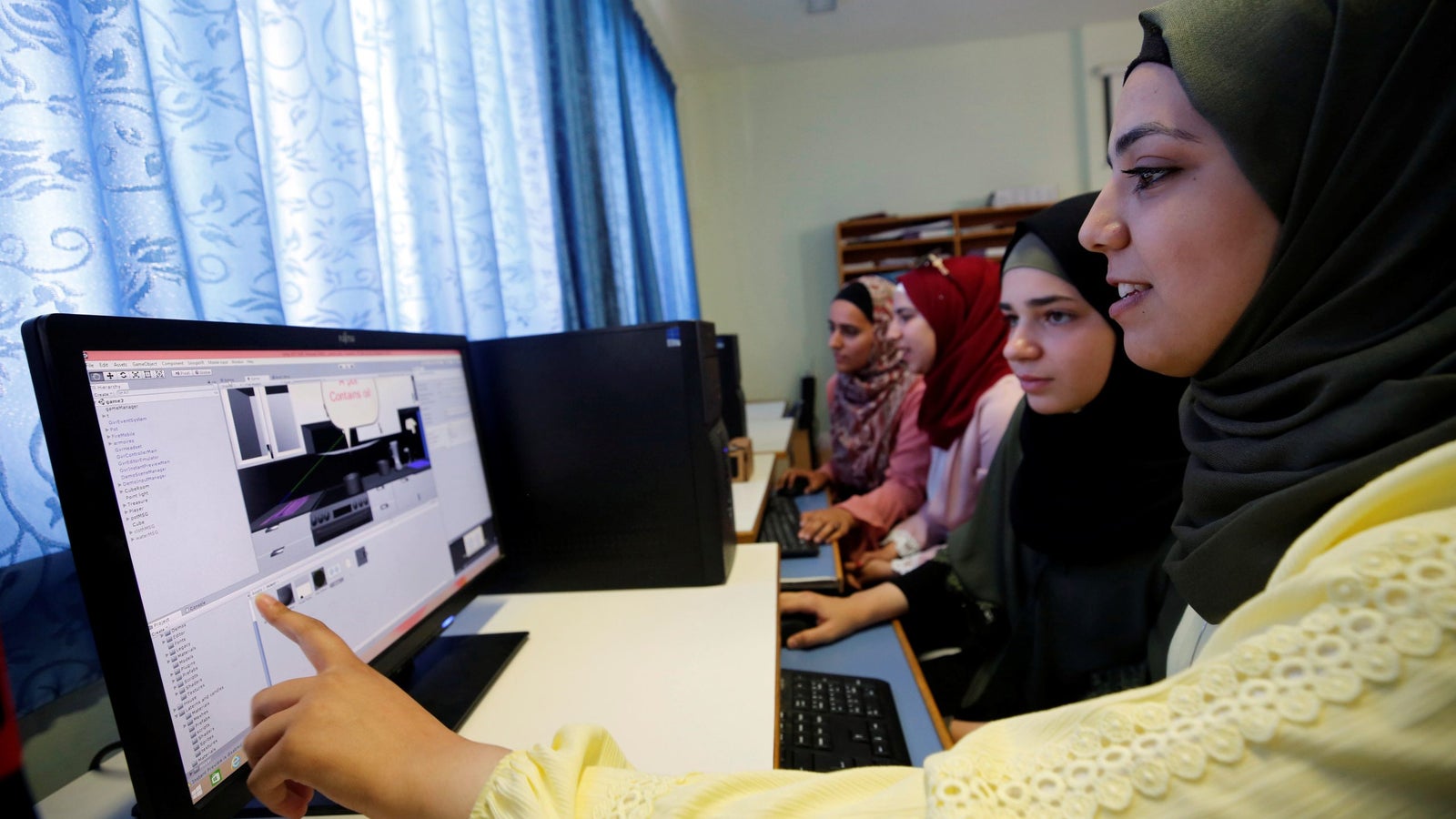
“Gaza’s tech ‘window to the world’ shattered by Israel-Hamas war”
By Nazih Osseiran and Avi Asher-Schapiro, Context
At Rest of World, we cover many of the challenges tech workers face around the world, but this was a story that captured what happens when an entire ecosystem of tech workers is annihilated. It’s not an easy read; neither should it be. Nazih Osseiran and Avi Asher-Schapiro document how a sector that grew and supported the economy despite hardships was destroyed overnight. In its starkness, the story captures the unfathomable truth. — Durga M Sengupta, South Asia editor
“In Africa’s first ‘safe city,’ surveillance reigns”
By Njeri Wangari, Coda
The Kenyan government installed a vast web of networked Chinese CCTV cameras across Nairobi, with the promise of ensuring security. But with a ballooning crime rate, it’s unclear if this massive system of surveillance has helped much. With the help of great photographs, this story digs into the functionality and relevance of the project, asking why the government adopted it in the first place. — Damilare Dosunmu, Africa reporter
“China’s Newest Dating Craze: Real-Life Meetups With Virtual Boyfriends”
By Wu Peiyue, Sixth Tone
This feature by Rest of World contributor Wu Peiyue, on women who hire female cosplayers to dress up as their favorite male video game characters and go on dates, surprises from start to finish. The popular new service might seem bizarre or frivolous, but demand for it is rooted in a deep-seated social issue: Due to a growing gender divide, Chinese women are increasingly opting against real-life relationships with men. — Kevin Schoenmakers, Features editor
“Behind the AI boom, an army of overseas workers in ‘digital sweatshops’”
By Rebecca Tan and Regine Cabato, The Washington Post
A new type of worker has emerged, mostly in the Global South, annotating huge amounts of data to train generative AI models. In the Philippines, more than 2 million people spend their days on so-called micro-tasks, such as distinguishing people from trees in videos for autonomous driving systems or editing text for ChatGPT. But, as Rebecca Tan and Regine Cabato uncover, workers are often paid below minimum wage or sometimes locked out of their accounts with no pay or due process. One former Filipino official said micro-tasking “can’t be our future,” but workers say they don’t see an alternative. — Lam Le, Labor x Tech Fellow

“China Took Her Husband. She Was Left to Uncover His Secret Cause.”
By Vivian Wang, The New York Times
Wang’s interview with Bei Zhenying, the wife of the legendary Chinese blogger Program Think, reveals the ordinary life behind his almost mythical online persona. Following his arrest in 2021, Program Think’s true identity gradually emerged as Bei began to advocate on his behalf. The captivating story shows the ingenuity and tenacity with which Chinese citizens navigate the internet under an authoritarian regime. — Caiwei Chen, China reporter
“Your stuff is actually worse now”
By Izzie Ramirez, Vox
This engaging piece tracks the meteoric rise of fast fashion apps like Shein — and their wider cultural and ecological ramifications — by looking at why everything, from clothes to gadgets, is a worse version of itself compared to just a few years ago. It examines how the intense competition among fast-fashion companies and the resultant race to the bottom, the growth of insane shopping “hauls,” and the promise of one-day or same-day delivery have contributed to severe worker exploitation and environmental harm. — Mithila Phadke, copy editor
“When Ukraine goes dark”
By Ruby Mellen, Zoeann Murphy, Kostiantyn Khudov, Yutao Chen, and Kasia Strek, The Washington Post
Through the winter of 2023, the Washington Post examined the effects of Russia’s war in Ukraine on infrastructure many might take for granted. Through creative visual storytelling, data, and design, the Post team explains the toll power cuts are having on civilians. — Cengiz Yar, deputy editor
“Inside Elon Musk’s First Election Crisis—a Day After He ‘Freed’ the Bird”
By Vittoria Elliott, Wired
Brazilians love Twitter (now X) and love discussing politics on the platform. That’s why many people in the digital rights space were concerned when Elon Musk acquired Twitter less than a week before the runoff in Brazil’s presidential elections. One year later, Vittoria Elliot takes us back to what happened inside Twitter at the time, as employees scrambled to respond to Brazilian authorities who were threatening to fine or block the service during the runoff vote. — Laís Martins, Labor x Tech Fellow
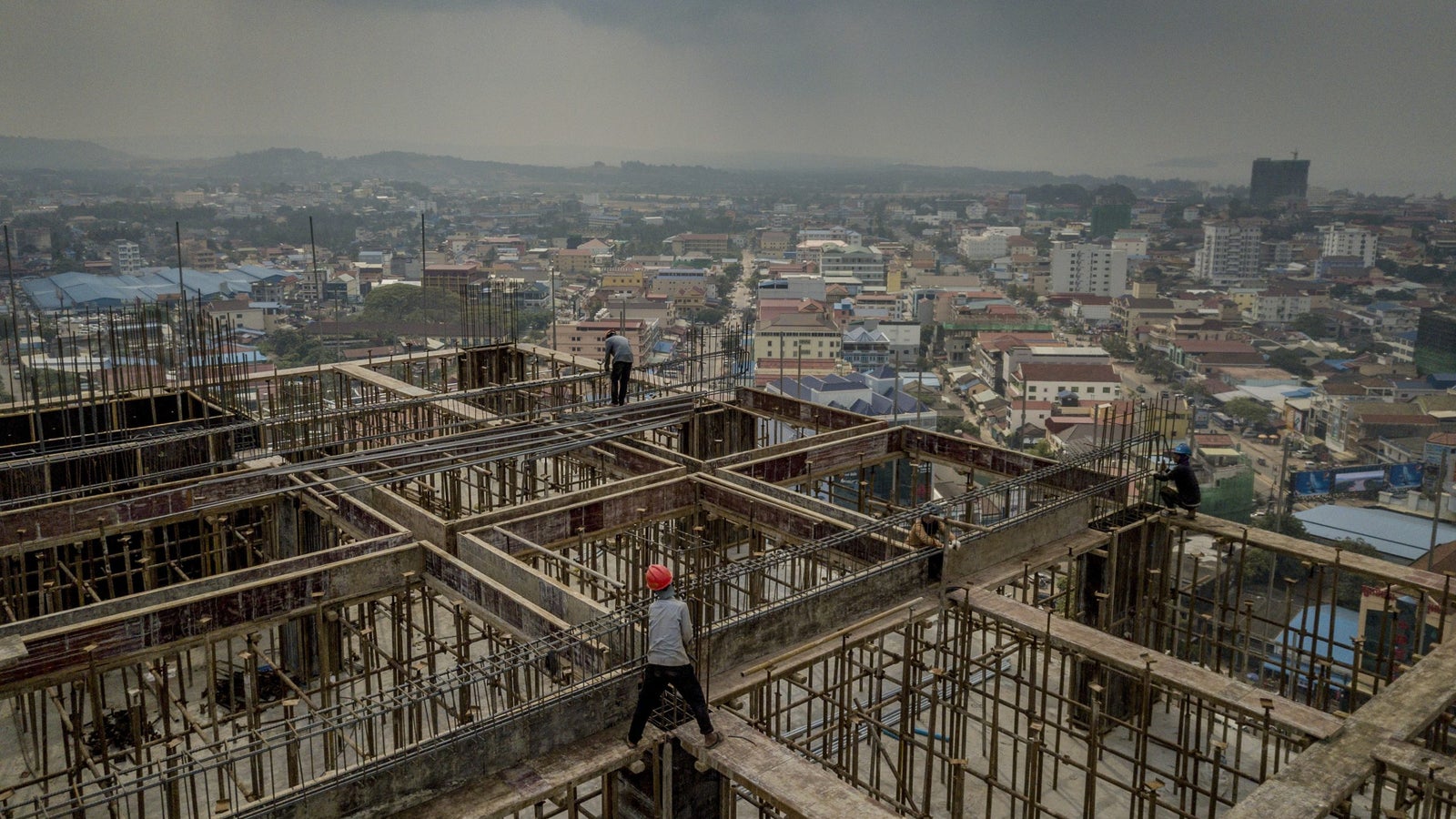
“‘Don’t You Remember Me?’ The Crypto Hell on the Other Side of a Spam Text”
By Zeke Faux, Bloomberg Businessweek
Never want to read about crypto ever again? Make an exception for this rollicking yarn by Zeke Faux, an excerpt from his equally absorbing book, Number Go Up. Faux takes us along for the ride as he allows himself to be drawn in by “Vicky,” a scammer who tries to get him to buy Tether, a stablecoin. In an attempt to understand the crypto scam ecosystem, Faux ends up traveling to Cambodia, a hotspot for “pig butchering” schemes. There, he meets trafficking victims forced into scamming and even attempts to work his way inside a scam compound by posing as a tourist. It’s as wild as it sounds. — Victoria Turk, Features director
“Netflix turns to South Korean writers and crews as Hollywood strikes. But they feel exploited too”
By Max Kim, Los Angeles Times
At Rest of World, we love a good story on how Silicon Valley is affecting countries outside the West. Following Squid Game’s success, Netflix is investing in more South Korean content. But tech companies often see overseas suppliers as cost-cutting opportunities. Netflix’s business practices, which in Hollywood helped spark two strikes, are giving Korean crews second thoughts. — Kevin Schoenmakers, Features editor