At the end of 2022, Tesla was riding high. The Model Y was setting sales records, and would be the best-selling car in the world the following year. On the production side, Tesla delivered over a million cars in a year for the first time ever. The company’s biggest problem? It couldn’t make cars fast enough to keep up with demand.
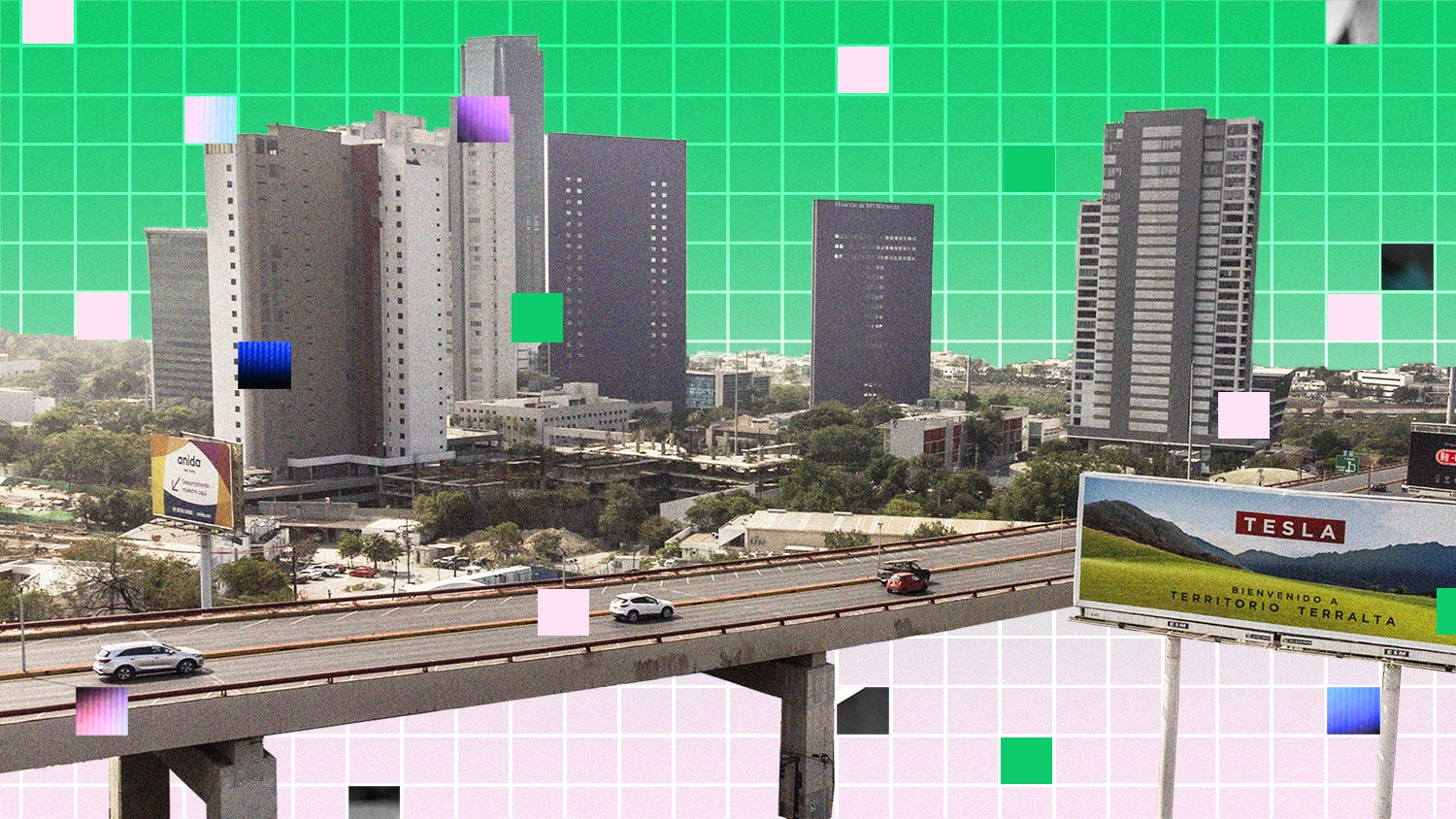
Tesla needed to increase capacity, so Elon Musk decided to build a factory in Mexico. He visited Monterrey in October 2022, with the official announcement arriving the following March. At the time, Tesla estimated the factory would take 12 to 15 months to build — slightly longer than the construction of Tesla’s factory in Shanghai.
It’s now 15 months since that estimate, and the picture looks very different. According to local reports, there’s been little work on the site over the last year, outside of municipal infrastructure like nearby roads and stormwater expansions. It doesn’t look like Tesla is in any hurry either, telling suppliers there’s no rush to deliver the factory’s equipment.
It’s a lesson in how dramatically markets can shift in a short period of time
On an investor call in October, Musk seemed undecided on when the plant would open. “We’re laying the groundwork to begin construction and doing all the long lead items,” he said. “But I think we want to just get a sense for what the global economy is like before we go full tilt on the Mexico factory.” The expected completion date has slipped from mid-2024 to 2025 or 2026, and could easily slip further.
In part, it’s a lesson in how dramatically markets can shift in a short period of time. Since Tesla’s Monterrey plant was announced, there’s been a global slowdown in demand for electric vehicles, as rising interest rates have made auto loans more expensive and gas-powered cars are making a surprising comeback. Tesla has also seen heated new competition from Chinese rivals like BYD and Aito, increasing the risk of oversupply across the industry. Tesla responded with price cuts, but the result is that it makes less profit from each car than it did in 2022, and there’s a lot less urgency to ramp up production. In the face of slackening demand and more mature competition, production volume isn’t Tesla’s biggest problem anymore.
But it’s not just Tesla’s goals that have shifted. The landslide victory of incoming Mexican president Claudia Sheinbaum heralds a shift for the country, too. In one of her few public statements on the Tesla plant, Sheinbaum has highlighted concerns that it would exacerbate droughts in the region. Beyond that, it’s too soon to say what Sheinbaum’s rise to power will mean for Tesla, but it’s an important unanswered question for the company.
Most analysts believe Tesla will eventually finish the plant, simply because so much money has already been committed. But as the road gets longer, there are likely to be more bumps and detours, some of which may be expensive. And when Gigafactory Mexico finally opens its doors, it will arrive into a world very different from what Musk envisioned in October 2022.