I have been using ChatGPT to plan my household menu for several months. It’s been a burden off my shoulders as I’ve outsourced the cognitive load of tracking groceries, calories, and recipes while having a ready menu that keeps two adults healthy and a kid happy.
But last weekend, I found myself asking ChatGPT which vegetables to chop for a regular salad — like the one where you just throw some cucumbers, tomatoes, and onions together on a plate.
The moment didn’t feel dramatic in itself, but I realized a subtle shift: Why did I need ChatGPT to tell me to chop cucumbers? Am I relying less on my own cognitive effort — even for the most mundane thoughts — and too much on an AI bot?
There is some early evidence that this shift may not be neutral.
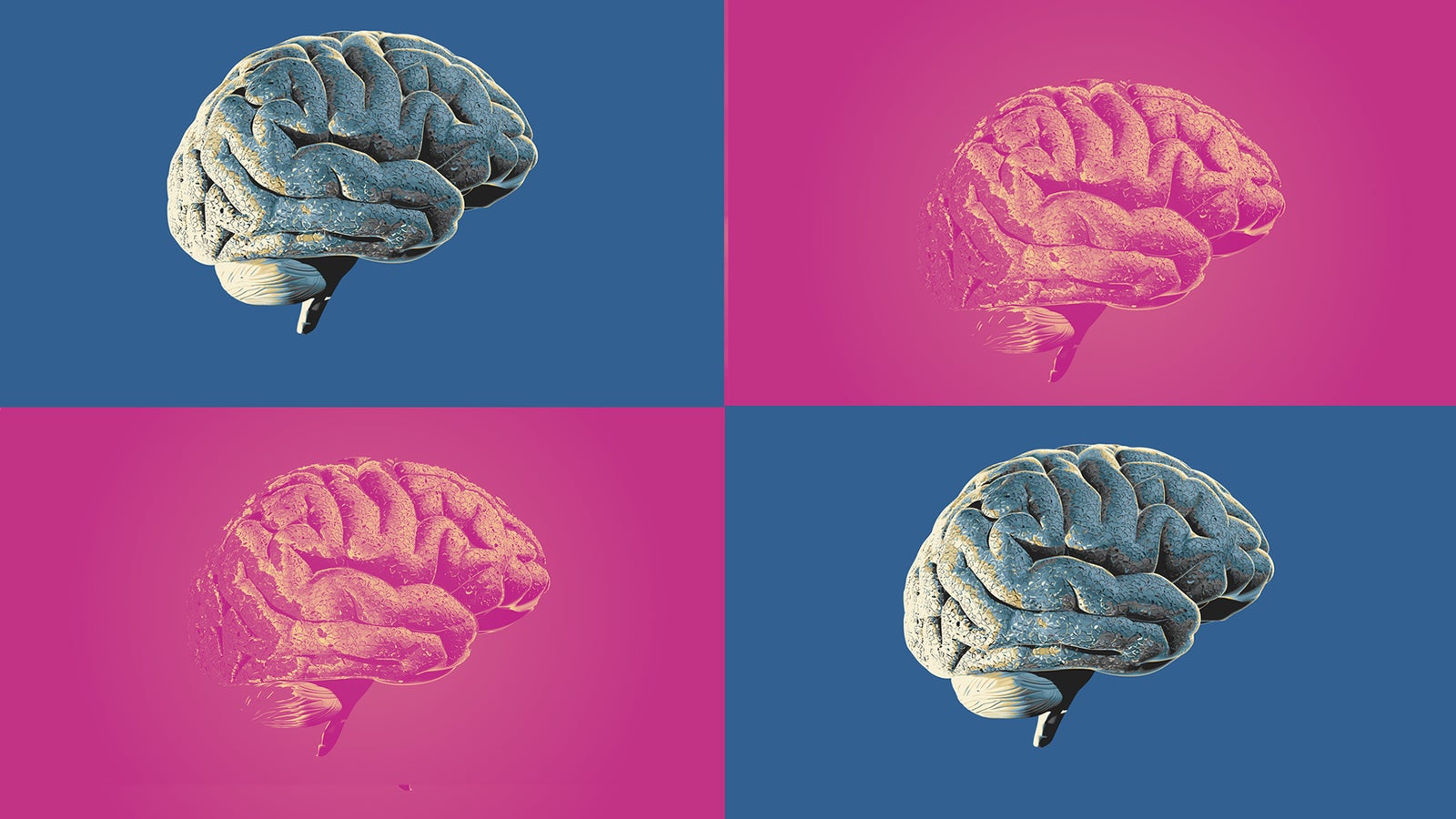
A 2025 study from MIT found that heavy use of AI tools was associated with lower brain connectivity compared to those who relied more on their own reasoning.
In a powerful opinion piece last week, Georgetown University professor Cal Newport wrote about AI’s damage to our cognitive abilities. “Have humans passed peak brain power?” he questioned, and cited a January study that revealed “significant negative correlation” between frequent use of AI and critical thinking abilities.
The science is still evolving, but the direction is familiar. We’ve seen this before.
We don’t remember phone numbers anymore thanks to smartphones. We don’t remember routes because there’s GPS. We often Google facts that we already know — just to be sure. And we don’t care to remember birthdays because Facebook, LinkedIn, or Google Photos will remind us.
Each time, the trade-off was convenience in exchange for cognition.
This feels alarming to me because over the past couple of years, I have heard CEOs and industry leaders constantly push the idea that the knowledge and ability to use AI tools will be a benchmark for success in the future. Demand for AI skills has doubled over the last year. McKinsey has called AI “the next productivity frontier” and said that employees are more ready to embrace it than business leaders imagine.
All this adds to a general belief that the best jobs in the future will go to those who can master AI.
But the inadequacy I felt when relying on ChatGPT to suggest ingredients for a simple salad made me wonder if the opposite might also matter. If there is value in deliberately holding on to certain forms of mental effort — writing something from scratch, solving a problem without assistance, cooking instinctively, and sitting with an idea long enough for it to become clear.
Not because the tools are bad. But because the skill they replace might be harder to rebuild than we think.
Professor Newport had a suggestion I’d like to follow: read a few dozen book pages each day to keep the brain sharper — much like the popular 10,000 daily steps routine everyone’s obsessed with for physical fitness.
Much of the conversation around AI has focused on what it enables us to do. We are now entering a phase where it’s worth asking what it might quietly be taking away.