A few weeks before Christmas, Amalia Bulacios found the perfect gift for her daughter. The Disney Princess backpack she wanted was around $40 on Amazon — a fourth of what similar items cost in Buenos Aires.
To Bulacios’ dismay, however, customs duties and fees more than doubled the original price of the item, which wouldn’t arrive until after Christmas.
“The price difference seemed huge at first,” Bulacios, an economist at S&P Global Ratings who covers MercadoLibreMercadoLibreFounded in Argentina in 1999, MercadoLibre is an online marketplace that also owns Mercado Pago, a leading payment and financial services app in Mexico and Argentina.READ MORE, Latin America’s biggest e-commerce platform, told Rest of World. “But in the end, it just didn’t make sense. What I had to pay on top of the price of the backpack was even more than the backpack itself.” MercadoLibre has a BB+ rating at S&P, signifying a moderate risk level.
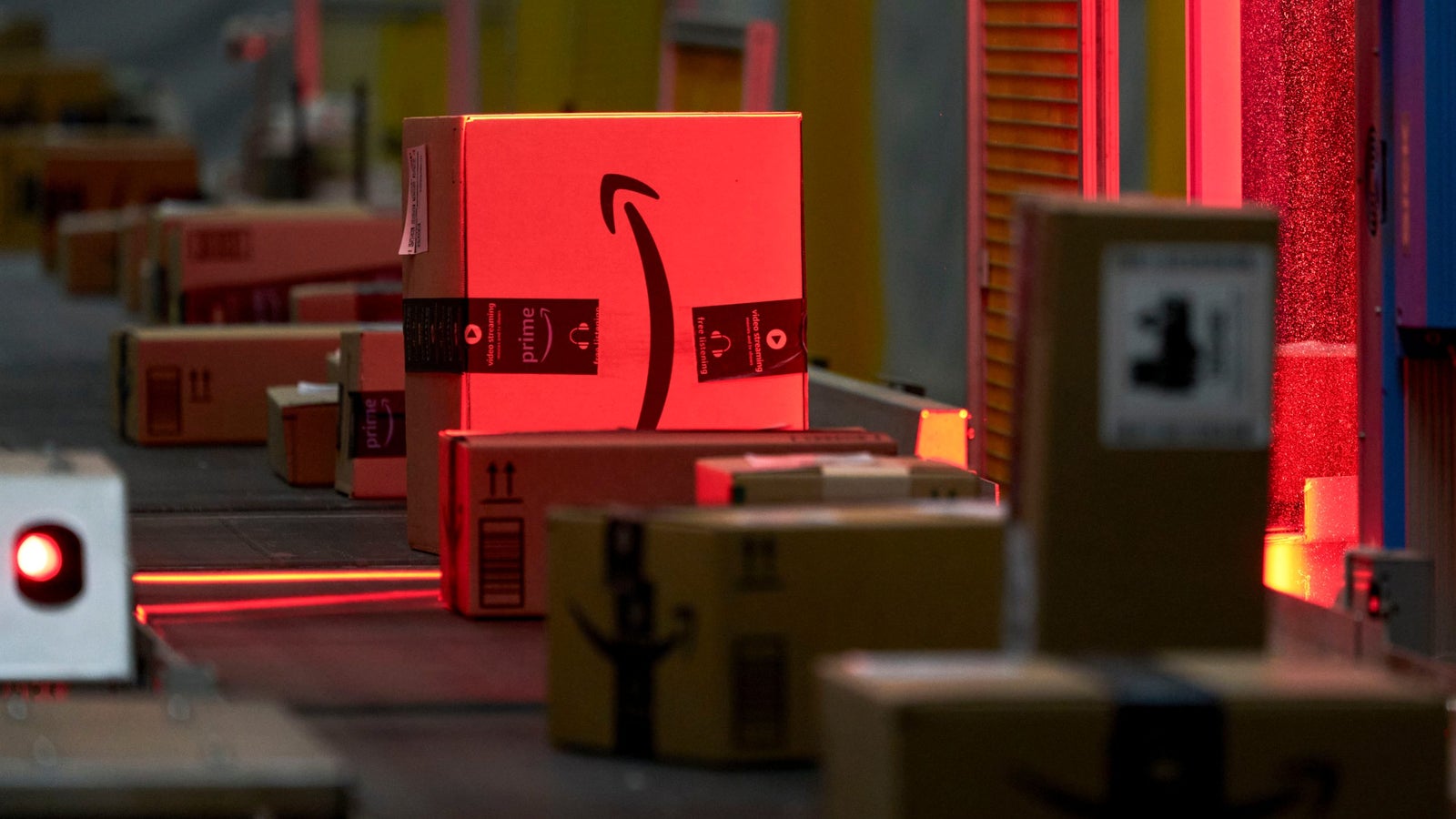
In September, Argentines were thrilled when Amazon said it would charge a flat rate of $5 on shipments from the U.S. But the company’s landing in the South American nation, where crushing tariffs and labyrinthine regulations have kept imports historically low, has been rocky at best. Competition is stiff: Argentina is both the birthplace and stronghold of MercadoLibre, which recently launched international shipping. It is also home to a widespread and popular network of smugglers who have for years ferried foreign goods aboard commercial flights.

The government announced in November that it would lower taxes on goods purchased abroad, but Amazon’s success is far from guaranteed.
“The e-commerce market in Argentina has enormous potential,” Yanina Lojo, founder at Consultora Lojo, a firm specializing in foreign trade issues in Argentina, told Rest of World. “But this is just getting started; there’s still no widespread adoption because there’s a lot of unfamiliarity with the new system. Amazon has the advantage of being the most globally recognized brand, but the competition from MercadoLibre in Argentina is simply too strong.”
Long-standing protectionism in Argentina has meant that items from abroad often spend weeks held up in customs. Electronics cost a staggering 90% more in the country compared to the U.S., according to PriceStats, a firm that compiles online prices. Argentina also consistently ranks among the most expensive countries in the world for iPhones. A 256GB iPhone 16 Pro Max, for instance, is currently listed in Buenos Aires for over $3,100 — more than double the price of a comparable model in the U.S.
Textiles, too, face similar markups. A $100 fleece jacket on Amazon can end up costing almost double in Buenos Aires. Even with Amazon’s discounted shipping rates, importing goods remains out of reach for many Argentines.
These conditions created fertile ground for the success of MercadoLibre, an e-commerce giant that grew from a Buenos Aires garage in 1999 to a regional powerhouse with a market cap of $100 billion. It has become the preferred destination for millions of Argentines for their online purchases. Its reach extends across a number of countries in Latin America, and is particularly strong in Mexico and Brazil.
The high import taxes have also forced locals hungry for foreign-made goods to get creative. A network of smaller-sized companies which facilitate imports for a fee has grown in recent years, in tandem with the emergence of bagayeros, or informal couriers who bring goods in suitcases on commercial flights and upcharge by as much as 60%.
Amazon upgraded to free shipping in Argentina in November, shortly after introducing $5 shipments. Still, delivery delays and a broad sense of mistrust from Argentines mean bagayeros remain a go-to option for many. “People think Amazon will sweep through the market, but as a consumer, you’ll still end up paying a lot even if you do it this way,” Juan, a young Argentine man who works in the tourism industry and moonlights as a bagayero, told Rest of World.
“There may be more enthusiasm now with free shipping, but these private transactions still make much more sense for low-ticket items,” said Juan, who did not give his last name to preserve his anonymity since the practice of bagayeros is not legal.
In November, Javier Milei, Argentina’s libertarian president and Donald Trump ally, began exempting $400 per shipment from import tariffs and raised the total value limit from $1,000 to $3,000. He touted the move as a holiday relief package which would give Argentines a chance to shop for bargains on U.S. platforms after a year of economic hardship and recession.
“Imported products will now be cheaper and will compete in an e-commerce market that already has a high level of penetration,” Andrés Zaied, president of the Argentine Chamber of E-commerce, told Rest of World. The market saw 23.2 million buyers in 2023, with nearly 1.4 million new shoppers year on year, according to trade association data. The potential for growth remains significant in the country, where e-commerce still only accounts for 18% of all retail sales.
Amazon declined a request for comment from Rest of World regarding its Latin America strategy. While shipping promotions in Argentina have indeed drawn attention, its investments in the country fall short of the $5 billion deployed in neighboring Brazil since 2011 or its rapid expansion seen in Mexico in recent years.
In October, shortly after Amazon introduced its $5 shipment fee, Luis De Dominicis, 28, decided to surprise his mother with a gift: a slow cooker. He was stunned to find it priced at around $250 on MercadoLibre — nearly five times what it cost on Amazon in the U.S. Even after he accounted for additional fees and customs duties that doubled the item’s price, as well as shipping delays, it made more sense to buy it on Amazon, he told Rest of World.
De Dominicis had stumbled upon the practice known as drop-shipping. Exploiting the limited variety of products available locally, some sellers in Argentina list U.S. goods at sky-high prices, importing them only after receiving an order. It’s a strategy that thrives on the scarcity of options and the logistical challenges faced by consumers, and which could be brought to an end if door-to-door imports are indeed facilitated as the government has promised.
Still, De Dominicis believes Amazon’s influence will remain limited. “Only a small group of Argentines will benefit,” he said. “Many people are simply not aware of how to make an international purchase, or may not be willing to wait.”
In November, MercadoLibre’s Argentina website drew over 100 million visits, according to analytics firm Semrush, far outpacing the 5.3 million Argentines who visited Amazon’s U.S. site in the same period. While Amazon could eventually boost its numbers with aggressive pricing, it remains a far cry from MercadoLibre’s widespread adoption.
Even as Milei continues to chip away at red tape and works on facilitating business investment, experts and consumers say it will likely take a long time for foreign companies to make sizable foreign direct investments.
“What Amazon is doing so far feels like an early-stage effort — more of a test to gauge the market’s response, and one that is very easy to unwind,” said Bulacios.
Meanwhile, many like De Dominicis remain loyal to MercadoLibre.
“For mid-range items like clothing or electronics — things that are neither dirt-cheap nor outrageously expensive — Amazon is definitely convenient,” he said. “But for everyday purchases, I’ll stick with MercadoLibre. Their lightning-fast shipping is just unbeatable.”