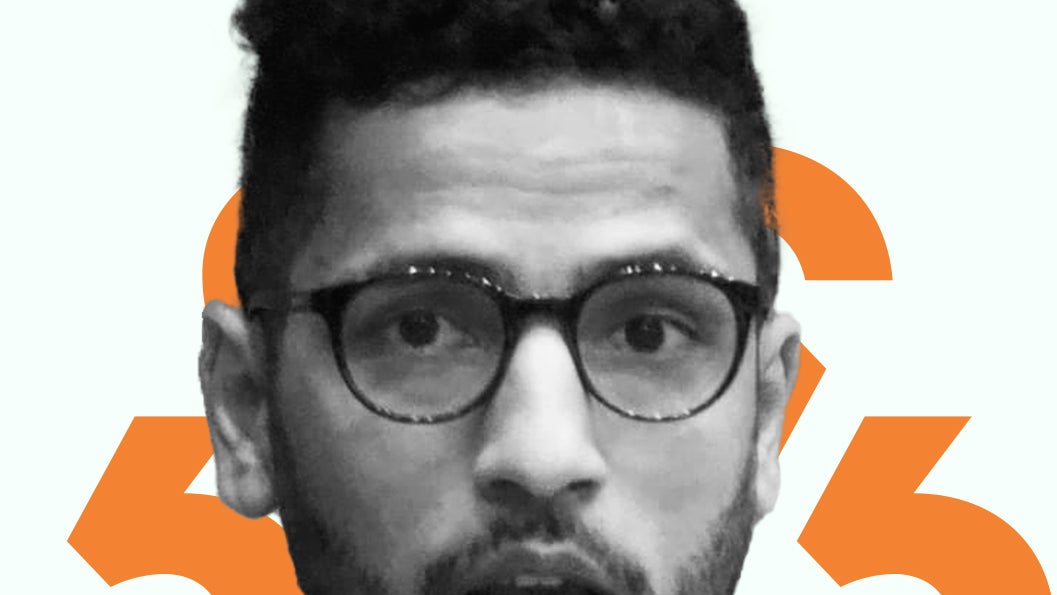
Hindutva Watch is a digital database that documents hate crimes against Muslims, and other religious and caste minority groups in India. Run by a small group of volunteers spread across multiple continents, the project’s recent findings reveal that anti-Muslim hate speech in India is heavily concentrated around elections. Raqib Hameed Naik, the project’s founder, warns that a flood of disinformation and hate speech is around the corner as India heads into the general elections in a few months.
This interview has been edited for clarity and brevity.
Where do you encounter hate speech the most, and how do you handle it?
We scrape all platforms but we find most hate events — streamed or shared — on Facebook and YouTube.
Over the past month, we have seen between 2–4 hate events on a daily basis, which is almost double of what we saw in the first half of 2023. We reported nearly 20 posts but none were taken down until journalists reached out to the respective companies.
When hateful content is posted on platforms in a language other than English, the chances of them taking action reduce significantly. The only way to prevent this is for platforms to have more moderators track and monitor content in different languages.
The world is paying attention to India’s next elections. What sort of harmful content do you think will dominate online discourse in the coming months?
As the elections draw closer, we anticipate a substantial escalation in hate speech gatherings. Social media wields tremendous power in shaping the narrative around elections, and our research shows that the more hateful the content is, the more reach it gets. The penetration of hateful content in Indian society is scary.
We are observing a significant surge in anti-Muslim content, particularly in states where the [ruling] BJP’s electoral support is relatively fragile. Patterns are discernible in states like Madhya Pradesh and Rajasthan, which held elections this year.
How is your team handling the increased volume of hate speech?
We are expanding our capacity by recruiting new interns and volunteers who can assist us in sifting through the vast volumes. We also started ‘India Hate Lab,’ dedicated exclusively to analyzing and tracking hate speech.
It’s physically and emotionally draining, especially for our Muslim team members, who have to listen to all the hate directed at their community on a daily basis. The team worries about the correlation between hate speeches and its real-world impact on our friends and families in India.