
When I wrote about Mark Zuckerberg’s appearance at the Ambani pre-wedding celebration last month, I may have skimmed over how much business was going on in the background. That’s not to say Zuckerberg was sweating over a counteroffer while Rihanna danced in the background, but this week saw unconfirmed reports that Ambani’s Reliance Industries may host Meta’s first data center in India, another significant win for the omnipresent mogul.
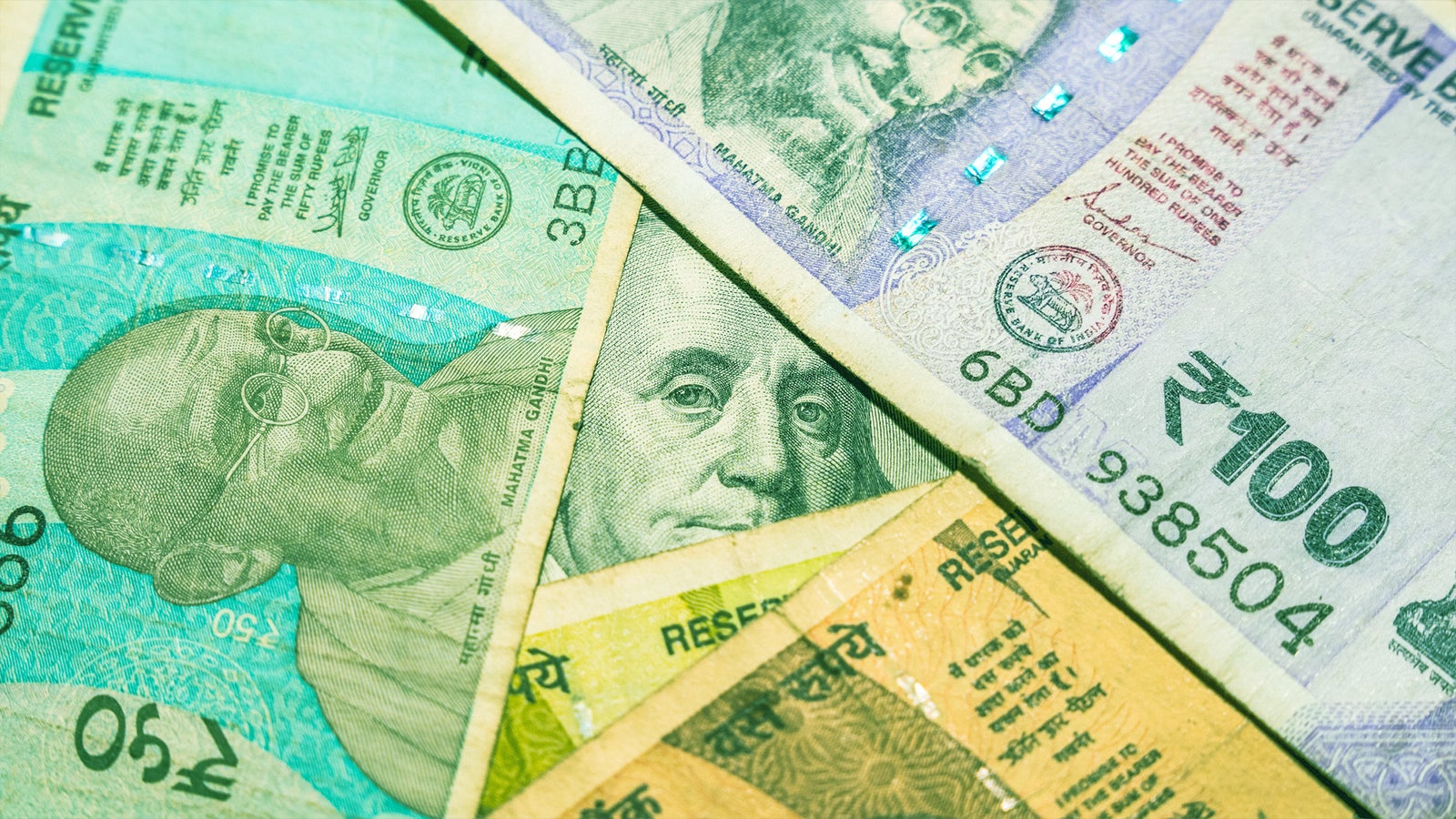
Then, there’s Ambani’s business with Disney CEO Bob Iger. The day before the celebration launched, Disney and Reliance announced plans to merge their Indian television and streaming assets. If confirmed, it brings together the companies behind the country’s two biggest streaming apps: Reliance’s JioCinema and Disney+ Hotstar. Rest of World’s Ananya Bhattacharya already took a closer look at the new streaming giant, but the biggest takeaway is just how many more subscribers those two apps have in India than Netflix. JioCinema has over three times as many Indian users as Netflix, and Disney+ Hotstar has over 10 times as many — a whopping 333 million users.
Snapping up the rights to stream lucrative live sporting events is one of the reasons the Indian apps are ahead, but the biggest difference is that they have partnerships and corporate tie-ins that make the service easy to use for free. Add in a lower sticker price, and it’s such an overwhelming advantage in the Indian market that it makes the whole comparison seem almost unfair. Netflix’s pricing model is just poorly suited to what Indian consumers want — and as long as it’s charging customers $6 a month, it’s going to be outflanked by local competitors.
It’s an important test case for Netflix as the company enters into a new phase. We’re far past the software-as-a-service days when Netflix had an actual advantage in streaming video online, an advantage that scaled relatively smoothly across regions. Now, Netflix’s main advantage is its library and the sheer volume of money it can invest in content. A $250 billion market cap means it can overwhelm the local entertainment industry, even in countries like South Korea that already have well-developed studio systems.
But throwing money around isn’t always enough. In one recent case, Netflix paid top dollar to hire the comedy star Kapil Sharma — only for his fan base to declare the new show too expensive to watch. Netflix’s strategy may result in a healthy library of local content and an industry reputation as a big spender, but if it doesn’t translate into new subscriptions, it will be hard to gain too much of a foothold. The same dynamic is already playing out in Africa, where Netflix was recently outpaced by the local rival Showmax.
To be fair, none of this is an immediate problem for Netflix. Premium pricing means more money, even without massive subscriber growth, and the company is worth more than it’s ever been. Ad-supported rivals like Meta and Google took a beating when ad markets cratered earlier this year, which made investors love Netflix’s approach that much more.
But the Indian test case suggests there are real limits to how much Netflix can grow outside the West — at least without real changes. In the long term, Netflix is facing off against Disney to be the first truly global content studio — and winning over markets like India is an important step on the journey. With the Reliance deal, Netflix has been outflanked.