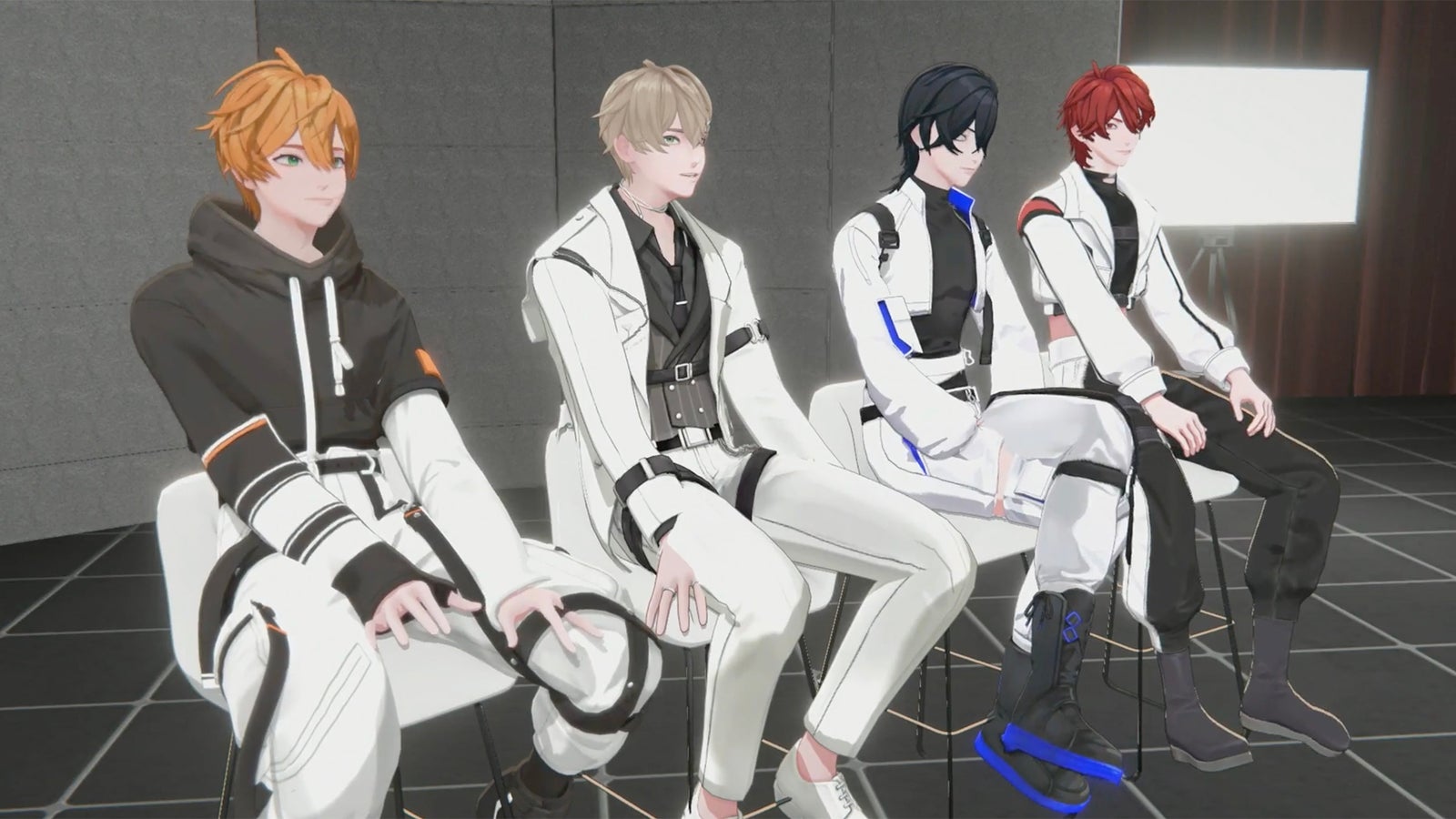
Jack, one of four virtual idols in the K-pop group Re:Revolution, sat on a stool in the metaverse — digital worlds where people interact through avatars — sporting a sleek cyberpunk battle suit.
Somewhere in Seoul that July afternoon, the artist behind Jack was in a motion capture studio, wearing a full bodysuit that translated his words and moves to his digital counterpart.
“When I was an idol trainee, I thought I would never make it,” the artist, speaking through his avatar, told Rest of World.
As a teenager, he spent years training to become a K-pop star at an entertainment company, he said. But crushed by the industry’s harsh beauty standards and fierce competition, he spiraled into insecurity about his looks and talent, chasing a debut that never came.
Virtual reality has given him a second chance at stardom. “As a virtual idol, I no longer wrestle with insecurities about my looks,” he said, his avatar’s perfectly styled jet-black hair framing his porcelain skin. “Now I know I have what it takes.”
A new kind of star is being created in South Korea, the cradle of global K-pop sensations such as BTS and Blackpink. Virtual idols — once niche subcultures of chronically online teenagers and twentysomethings steeped in anime and video games — are surging into the mainstream. Other than Re:Revolution, who were Korea’s first virtual stars, groups like Plave and Isegye Idol command tens of thousands of fans on livestreaming platforms such as YouTube, Soop, and CHZZK. They create content like recreations of Squid Game episodes and Minecraft quests. They also host dating shows, offering fans a kind of intimacy they could not expect from human stars.
The once-fringe milieu has translated into commercial success. With beats echoing anime soundtracks and performances laced with fantastical visual effects, the virtual idols’ songs have topped Billboard Global charts. In May, Isegye Idol sold out the Gocheok Sky Dome, Seoul’s landmark baseball stadium. High-definition LED screens beamed the girl group to over 16,500 fans who roared as the virtual met the real. Plave is embarking on tours across Asia — milestones once reserved for human artists.
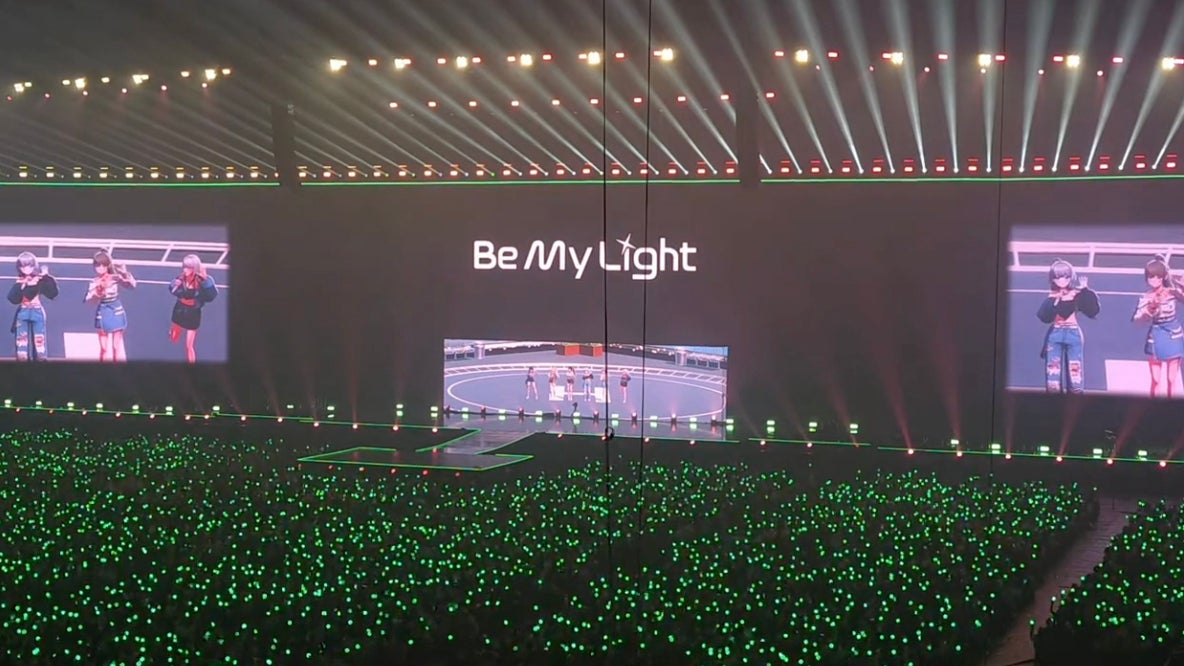
Behind most groups are artists who use motion capture and real-time rendering to step into their alter egos. Some, like the girl group Mave, are entirely synthetic, created using machine learning, deepfakes, and 3D modeling technologies.
For the artists, living a high-octane life as a virtual star can pose unique challenges. Their true identities are obscured, leaving them vulnerable to hypercharged doxxing attempts and cyberbullying. Stranded between their digital personas and real lives, they wrestle with loneliness, self-doubt, and the pressure to stay flawless, online and off, members of Re:Revolution told Rest of World.
“I feel like my avatar is working diligently, while I’m living like a bum,” said Akairo Ryu, a red-haired member of the band.
“My character is a lot like myself, but it’s more smooth — like a perfect boyfriend from a webcomic that women would like,” said bandmate Onyu, his silver-blond hair gleaming. “I sometimes feel consumed by the role-playing.”
The global market for virtual idols and streamers is projected to reach $4 billion by 2029, according to market research firm QYResearch. The South Korean government has pledged to invest tens of millions of dollars into the metaverse, which comprises many virtual worlds including the one owned by Meta. The nation enacted the world’s first metaverse law last year, which promises administrative and financial support for metaverse companies.
Virtual stars are a pathway for smaller studios to break into K-pop, which is dominated by powerhouse labels, Jung Yoon-hyuk, a media and communication professor at Korea University, told Rest of World. With production costs far lower than those for human idols, the studios gain a competitive edge, he said.
In lieu of years of grueling training and cutthroat auditions, virtual idols can be cast and trained in less than a year. Shielded by anonymity, they sidestep scandals. The stars can become mirrors reflecting the fantasies of fans back to them.
“Virtual idols realize your fantasy,” Jung said. Unlike human idols anchored to their real identities, virtual idols can be whoever you want, he said.
South Korea’s foray into virtual idols dates back to 1998, when a digital singer named Adam had a short-lived career belting out rock ballads. A decade later in Japan, voice synthesizer software generated vocaloids like Hatsune Miku, a hologram pop star who sold out concerts singing synth-pop songs backed by a quartet of flesh-and-blood musicians. In 2017, virtual YouTuber Kizuna Ai went viral in Japan, and the culture soon migrated to South Korea. By 2020, K-pop girl groups like Aespa debuted with virtual counterparts.
Re:Revolution came together in July 2021 when Gemini, then a college student and YouTuber, recruited Jack, the K-pop idol trainee. Then came Ryu, who was juggling gigs at convenience stores and factories while dreaming of becoming a streamer. Onyu, a nursing student in Toronto, Canada, who was interning at a hospital by day and streaming by night, completed the crew.
Re:Revolution brands itself as a revolutionary army in a post-apocalyptic universe, waging an imaginary war against a corrupt regime emblematic of the internet’s dark side. Jack, Onyu, Gemini, and Ryu each command a battalion in the metaverse, their neon hair blazing like battle standards.
Their fans, called UNI.T, enlist as soldiers in their favorite member’s battalion and create their own characters in the digital rebellion by posting on X, YouTube, and Re:Revolution’s fan page.
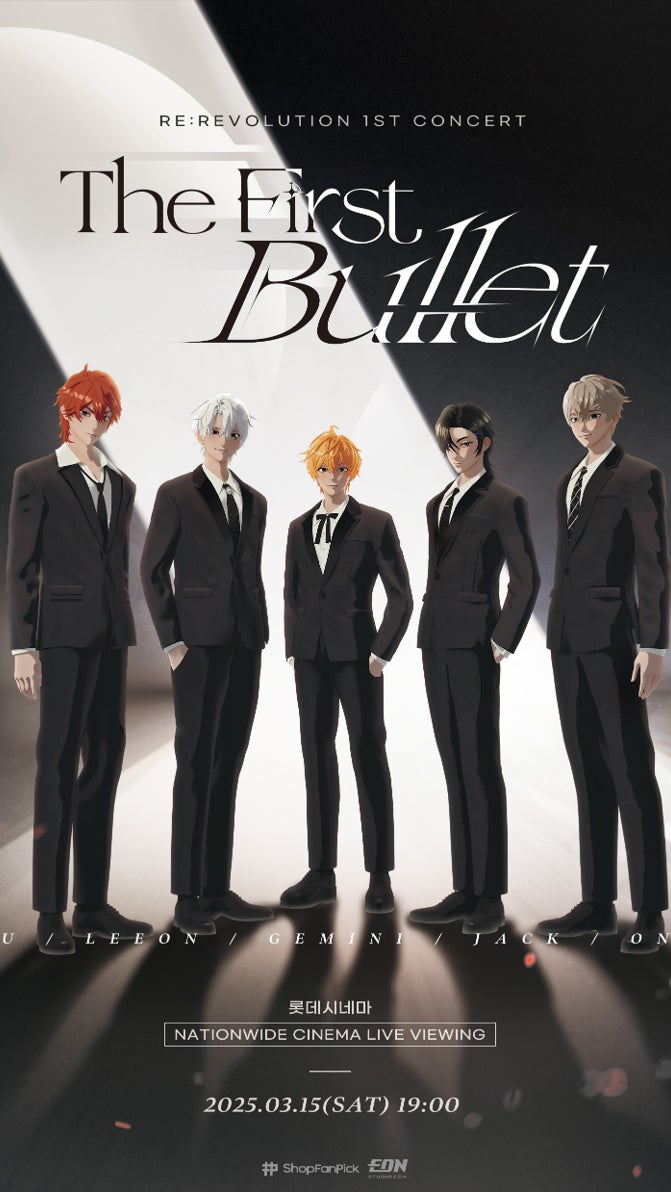
Re:Revolution’s members write their own dance-pop tracks that accompany music videos featuring futuristic cyber-noir aesthetics. They mine Gen Z accounts on X for emerging microtrends in fashion and memes. In March, the group held its first 3D live concert in theaters across South Korea.
“The biggest difference between us and human idols is our live communication with fans,” said Onyu. Unable to meet fans in the flesh, the members stream several times a week on CHZZK and YouTube, careening from antics where they switch vocal pitches at dizzying frequency to dubbed comics narrating their dystopian lore.
Fans of Re:Revolution, many of whom are teenagers native to internet subcultures, have embraced the digital intimacy.
“Since they’re on air at least three or four times a week, we share a unique sense of familiarity,” a teenage fan who goes by the nickname Sun-eui told Rest of World, requesting anonymity as she is a minor. She authors a popular fan fiction series about Re:Revolution’s diverse narrative worlds.
But the proximity to fans also makes the stars vulnerable to K-pop’s rigid codes of conduct, where fans dictate the idols’ moral standards and require them to calibrate their every word and gesture.
“You have to make sure what you’re saying is not going out of fandoms’ boundaries, but that’s really challenging for virtual idols,” said Onyu. Virtual idols share intimate details about their personal lives and field constant requests for edgy, provocative content. “We need to tactfully control our distance with fans.”
Ryu has faced false rumors and vicious backlash over comments made during livestreams. Each scandal, he said, leaves him broken.
“Being a virtual idol made me feel mentally fragile,” he said. “I constantly wondered, ‘Am I cut out for the job?’”
Bound by anonymity, members of Re:Revolution turn to one another to navigate the challenges of their work.
“We play video games, go on vacation, and drink together to alleviate our stress,” said Gemini, flashing a sheepish smile through his virtual dentures.
Virtual stardom is raising new questions about labor rights. While K-pop idols are notoriously overworked, their virtual counterparts have more free time and flexibility over their schedules. But they also have fewer labor protections as their identities and the contracts they enter into with management agencies are mired in secrecy, Jung said.
For as long as K-pop has been a global entertainment powerhouse, the industry has wrestled with high-profile labor disputes between artists and their agencies. In 2024, the breakout girl group New Jeans plunged into a feud with their parent company Hybe over alleged mistreatment. Last November, South Korea’s Ministry of Employment and Labor ruled that a member of New Jeans couldn’t be considered a worker under the country’s labor law, given the nature of her management contract.
With even less bargaining power and visibility, power structures between virtual idols and agencies could be more lopsided, Kim Jung-hyun, an entertainment lawyer at the law firm Changgyeong in Seoul, told Rest of World.
South Korean courts are grappling with how to protect the artists behind digital avatars. In September, a court held that derogatory comments directed at virtual idols could constitute defamation. The case in question involved a social media user berating Plave on X, saying the artists “could be ugly in real life.”
The court reasoned that avatars in the metaverse aren’t mere digital images, but a person’s means of self-expression.
“Avatars reveal a great deal about one’s individuality,” said Kim. “As new technologies arise, if we continue to recognize them as vehicles of self-expression and communication, their legal rights could continue to expand beyond defamation.”
Challenges aside, the metaverse has given aspiring artists like Jack of Re:Revolution a stage to sing on. After years toiling in the wings of stardom, his dreams have come true in an uncanny world made out of pixels.
One recent evening, he went live on CHZZK and greeted his fans in his neon-lit digital bedroom, where mounted screens pulsed his name in electric hues.
“Let me loosen up my throat for you,” he said, pulling out his digital mic to belt out a ballad.