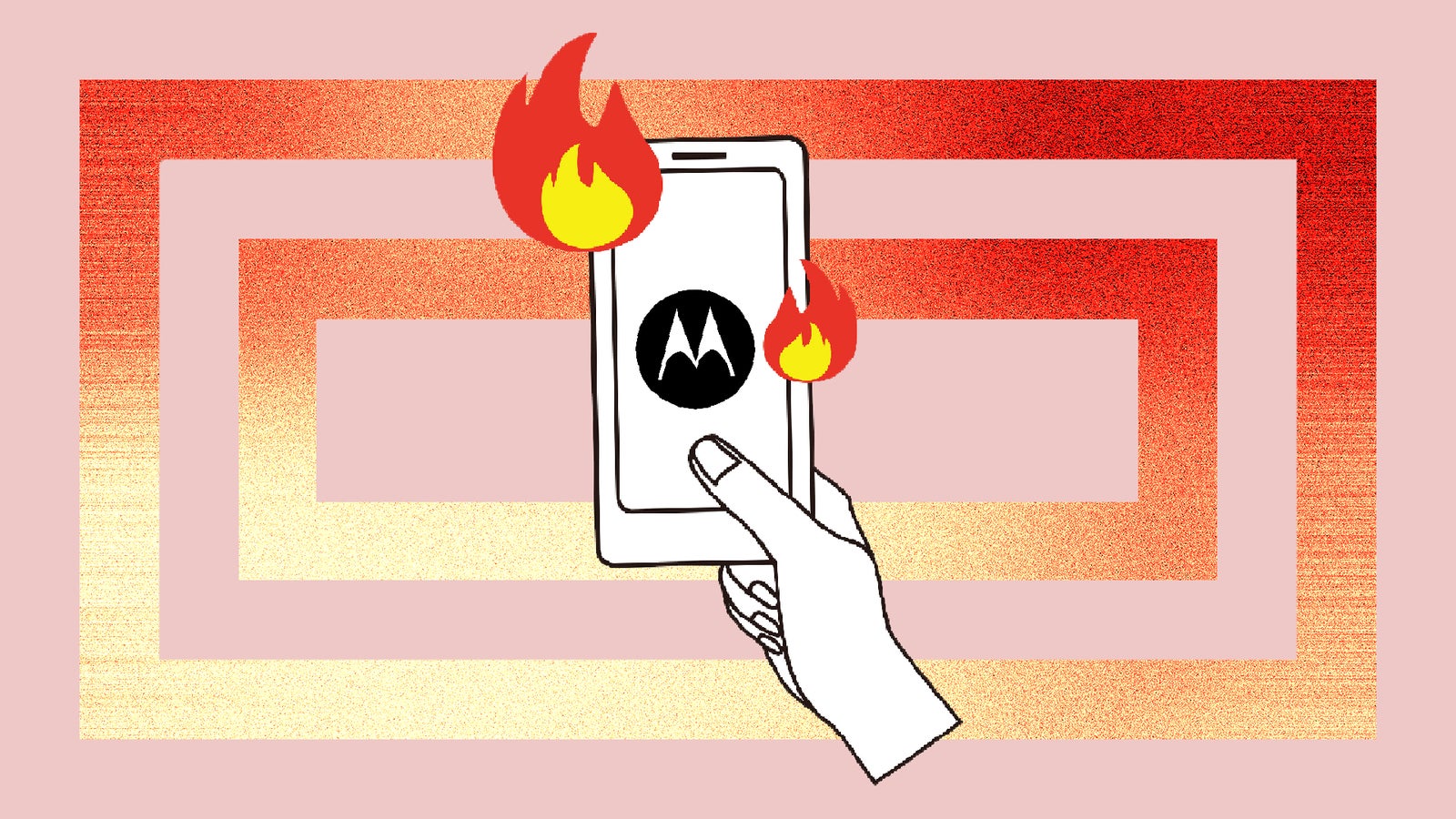

The popularity of the Chinese app Sileme — which means “Are you dead?” — has me questioning what personal connection in the digital age means to someone like me, a single person in India. The app has users confirm they’re still alive every two days. If not, an email goes out to an emergency contact.
It’s taken off in China, climbing to the top of Apple’s paid apps chart, and it has gained traction in the U.S., Singapore, Hong Kong, Australia, and Spain. For 8 yuan ($1.15), the app — available as Demumu globally — in its description reassures solo dwellers of being “alone, but not lonely.”
China is on track to have 200 million one-person households by 2030. The loneliness epidemic China’s urban youth is facing is due to an unsavory cocktail of the long-term effects of the one-child policy, lingering anxiety from severe Covid-19 lockdowns, and rapid urbanization separating families. Only 15% of Indian households are single-person compared to 25% in China.
It seems to me, however, that this existential-status app isn’t helping solve the loneliness epidemic, but is merely capitalizing on the anxiety it produces. Let’s take a look at some possible design flaws and explore better antidotes.
First, we know most humans aren’t consistent with their digital habits. I’ve been a MyFitnessPal user for at least five years, but I have never successfully tracked my workouts and calories for more than four consecutive days. For most fitness apps, just 20% to 30% of users manage to clock in daily.
On the receiver’s end, email delivery seems far from foolproof. I’m the informal go-to contact for a friend who lives by herself, one block away. When a rat visited her apartment at 9 p.m., she WhatsApped me. When a spam caller harassed her at noon, she WhatsApped me. Both times, I failed to see her messages among my 990 unread chats. She then called, and I picked up on the first ring. I fear a crisis alert e-mail like the one in the Chinese app would yield worse results given the hundreds of unread messages in my personal email. And it’s not a me problem — only two in 10 people reach inbox zero.
Looking to solve some loneliness challenges while you’re still drawing breath? Real-world cultural trends in China like hugging trees or renting friends seem like a better fix.
I don’t mean to sound unsympathetic; maybe I’m not culturally engineered to understand this fear. In India, less than 17 million households are one-person households. Almost one in three people between the ages of 31 and 34 years still live with their parents — including me. But I will say, a full house doesn’t mean you’re protected from feeling lonely. And when you do, apps that actually work to connect people rather than just exploit anxieties seem like a better solution. Think Bumble BFF for platonic friends, Slowly for penpals, Timeleft for dinners with strangers, and more.
As for me, I don’t need a separate app for social connection. I perpetually live on Instagram, posting dance videos on my public profile or photos of food and books on my private one. If I go quiet there, it might be an ominous sign. (Or maybe I’ve just lost my phone, try not to panic immediately.)