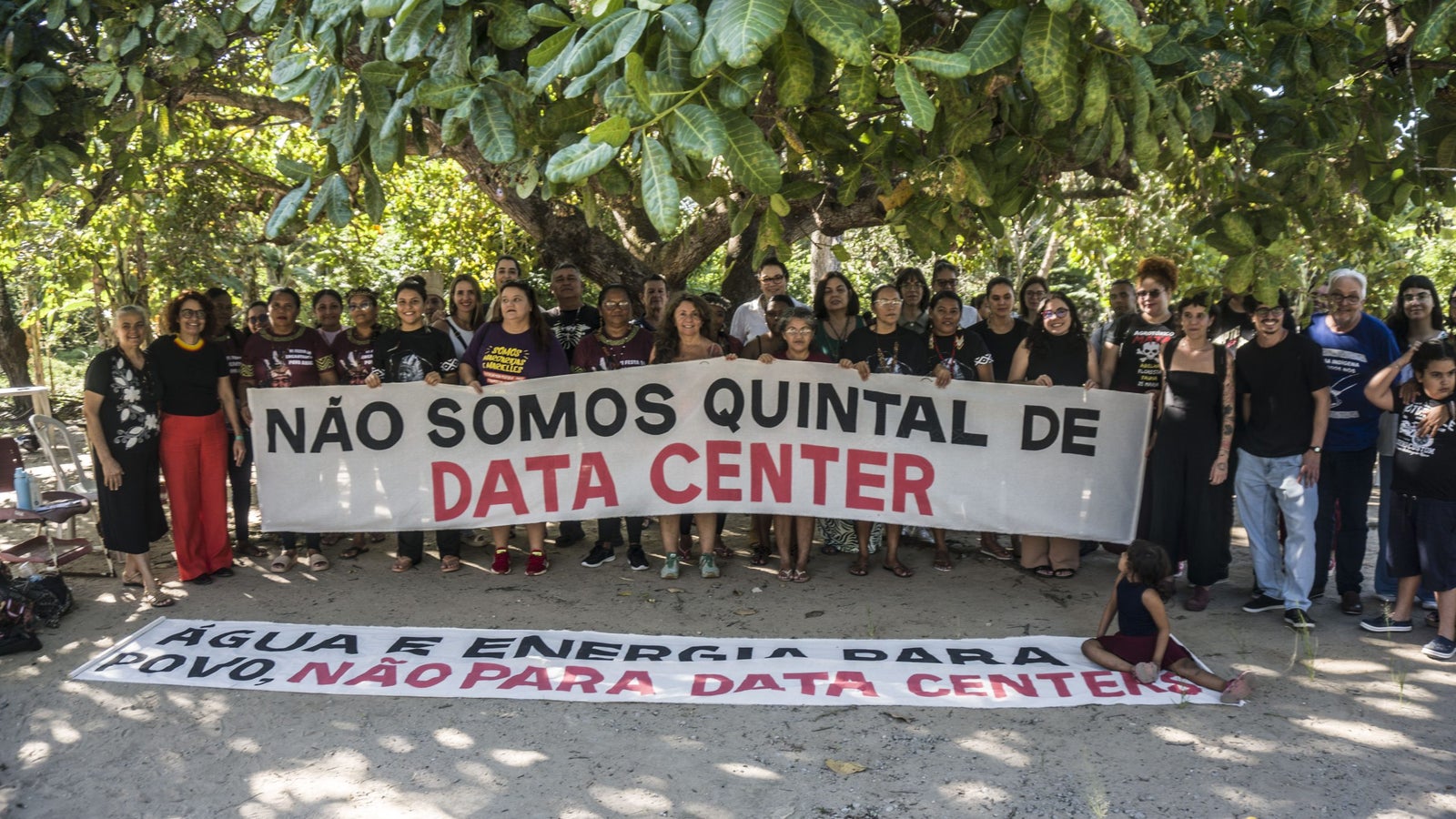
In late August, an Indigenous group in the Brazilian state of Ceará, in the country’s northeast, brought a formal complaint before federal authorities, asking them to halt the development of a TikTok data center they said was being built on their land.
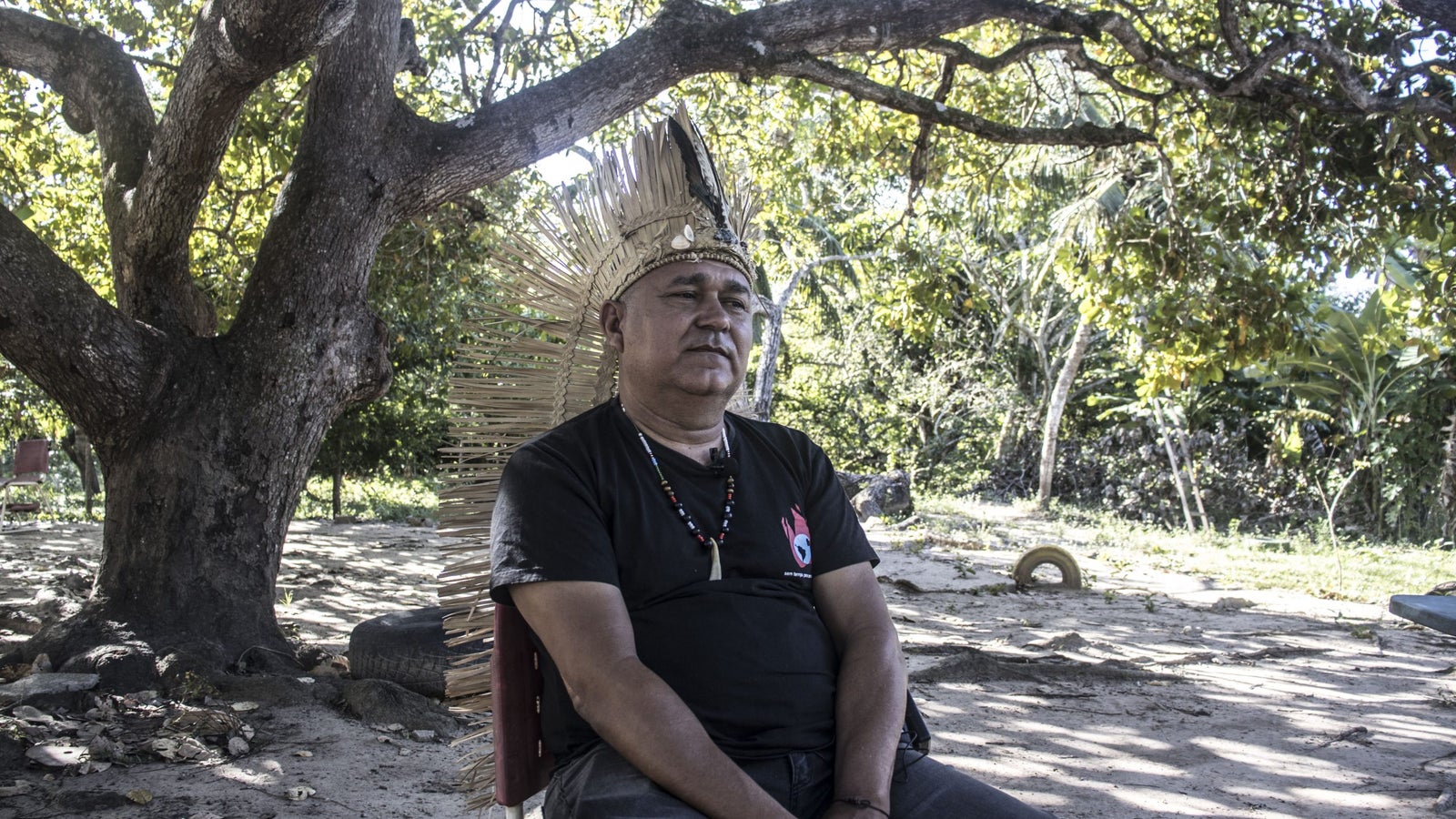
Sitting under a tall cashew tree, Cacique Roberto Ytaysaba Anacé, a leader of the community, recalled how, until a few months ago, he did not know what a data center was. Now, he’s determined to stave off the giant Chinese social media company in the first pushback of its kind in Brazil, a country aspiring to become a global data center hub.
The Anacé have long claimed the area where TikTok and Casa dos Ventos, a wind energy company that will power the data center, are to be built. Its leaders say their right to consultation — guaranteed under an international agreement — was violated, and that their concerns about the project’s water consumption are being ignored.
“They are putting it right next to the river” on Indigenous territory that holds spiritual and ceremonial significance for the community, Ytaysaba told Rest of World.
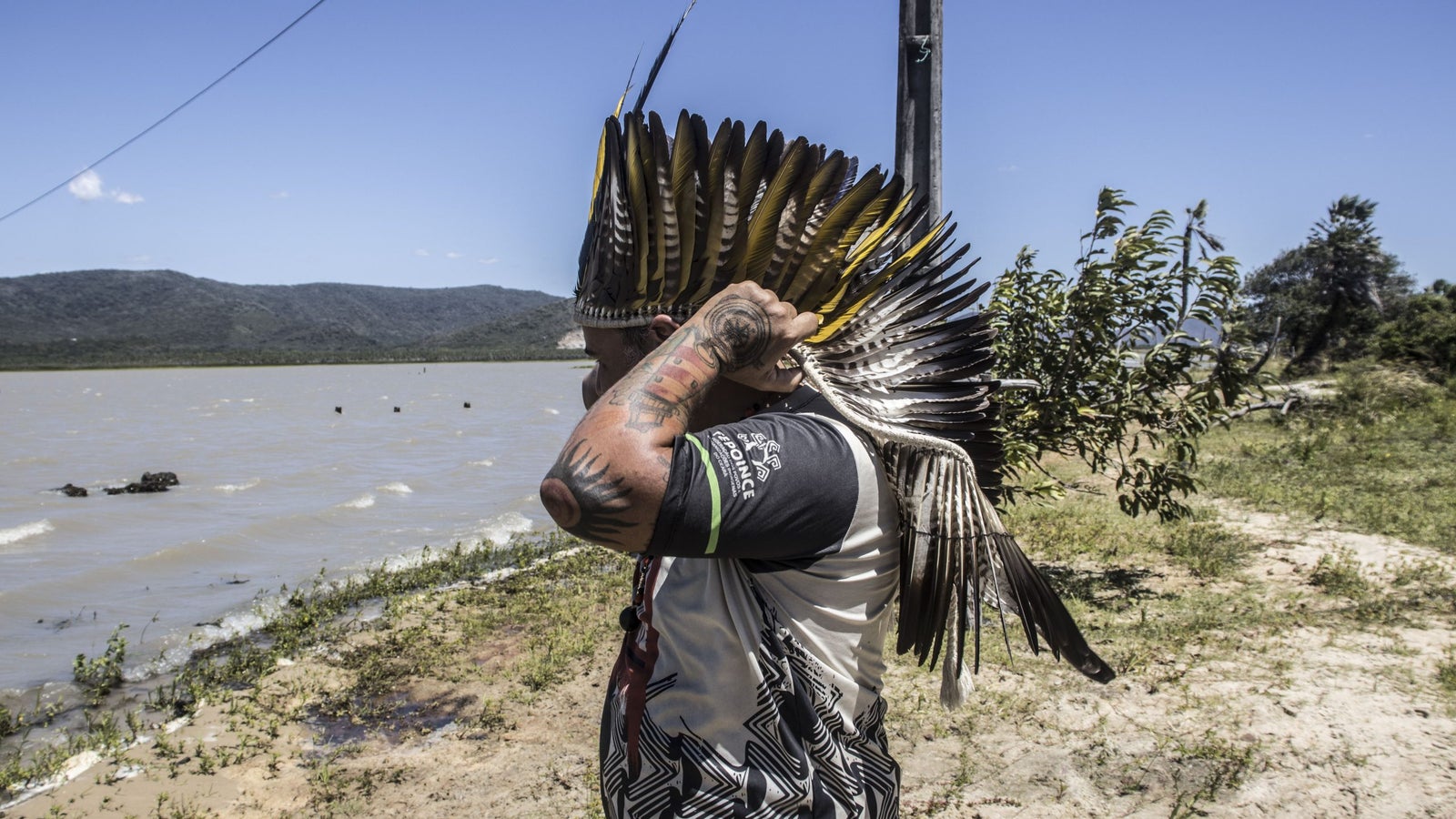
The permit process requires Indigenous communities to be consulted before construction on their land, but authorities did not discuss the data center with the Anacé because they do not have official ownership of the land, Ulisses Costa, director of environmental protection and control at the state environmental agency, told Rest of World. The developers have received the necessary authorizations from the local water department, he said.
Demand for data centers worldwide has surged on the back of a boom in artificial intelligence and cloud computing. Resistance from local communities concerned about their environmental impact is also growing. The pushback in Ceará underscores the challenges tech companies face from residents, who are demanding a say in how, where, and even whether data centers should be built.
What is happening in Ceará “is an emblematic case of resistance and questioning of a Big Tech data center,” Cynthia Picolo, executive director at the Laboratory of Public Policy and Internet, one of the civil society organizations that co-signed the complaint, told Rest of World. “This experience will generate important precedents.”
Elsewhere, Meta shelved a planned data center in the Netherlands, which was set to be the biggest in the country, following local pushback. Last year, a local court in Chile, which is in the midst of a decades-long drought, suspended a Google data center after locals discovered it would extract more than 7 billion liters of water annually. In August, a city council in Arizona rejected a proposal for an Amazon data center following public outcry over its potential water use.
In Brazil, the Anacé are fighting a government keen on turning the country into a data center hub. In May, the finance ministry said it was working on a national policy offering companies tax breaks and exemptions for data center projects. With more than 180 data centers already commissioned, authorities are now expecting an influx of hyperscalers — large-scale data centers designed to withstand the increased computational demands that come with AI. Some have already been announced, including one in a town stricken by catastrophic flooding.
330% increase in requests for data centers to access the electrical grid in Brazil
“What we are doing is giving [foreign tech companies] free or very cheap energy, free or very cheap water, free or very cheap minerals, free or very cheap lands” in order to join the AI race, Paz Peña, an independent consultant and a senior fellow at the nonprofit Mozilla Foundation, told Rest of World.
The International Energy Agency estimates that electricity consumption by data centers will account for 3% of global electricity consumption in 2030. As companies scramble to secure the energy needed while also trying to reduce emissions, countries with vast renewable sources, like Brazil, are particularly attractive.
Between May 2024 and June 2025, Brazil saw a 330% increase in the number of requests from data center developers to access the national grid — the first step tech companies must clear. Nearly 80% of Brazil’s electricity supply comes from renewables. More than 90% of current wind power projects are concentrated in the country’s northeast, in states like Ceará, which has abundant sun and wind, as well as an extensive coastline.
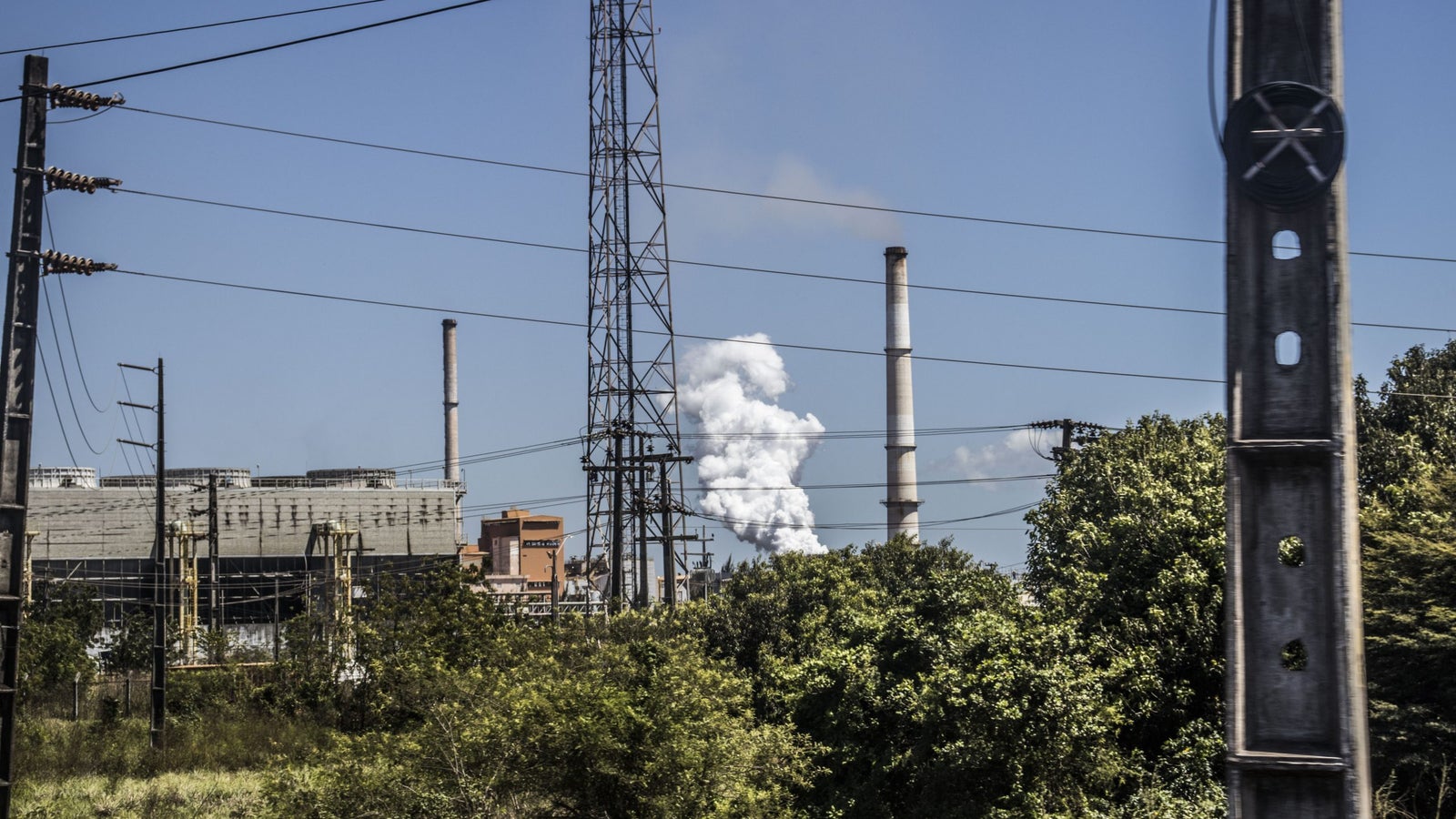
Like many Indigenous communities in Brazil, the Anacé have no official land titles despite having lived in the area since the early 1600s. Across the country, Indigenous groups have seen their territories swallowed by illegal mining, logging, and deforestation, or converted into agricultural and industrial areas, often without consultation by companies or state authorities.
The land in Ceará is attractive for industry. In 2013, approximately 160 Anacé families reached an agreement with federal and local authorities to vacate their lands for an oil refinery, and move to an Indigenous reserve nearby. But others refused to leave. In 2023, the Anacé sued a thermal power company and the local environmental agency to stop a thermal power plant from being built. While the community lost the case, the company opted to build the plant elsewhere.
Now, the Anacé are demanding the immediate suspension of the environmental permit process for the TikTok data center, and annulment of the permits already granted. The full impact of the project was not properly assessed, they say. One concern is that the daily water consumption estimate of 30,000 liters disclosed by the developer is too low in comparison to similar projects.
The community — numbering about 1,500 families — is also asking that the companies consult with them on any future plans, based on an International Labour Organization Convention, of which Brazil is a co-signatory. The convention grants Indigenous groups the right to consent and consult on projects in their territory. These consultations are meant to be conducted by companies or government agencies, with the oversight of environmental authorities.
TikTok did not respond to questions from Rest of World on whether it initiated a consultation with the Anacé. Casa dos Ventos told Rest of World the land allocated for the data center does not overlap with any titled Indigenous lands, and that the company has followed environmental licensing rules.
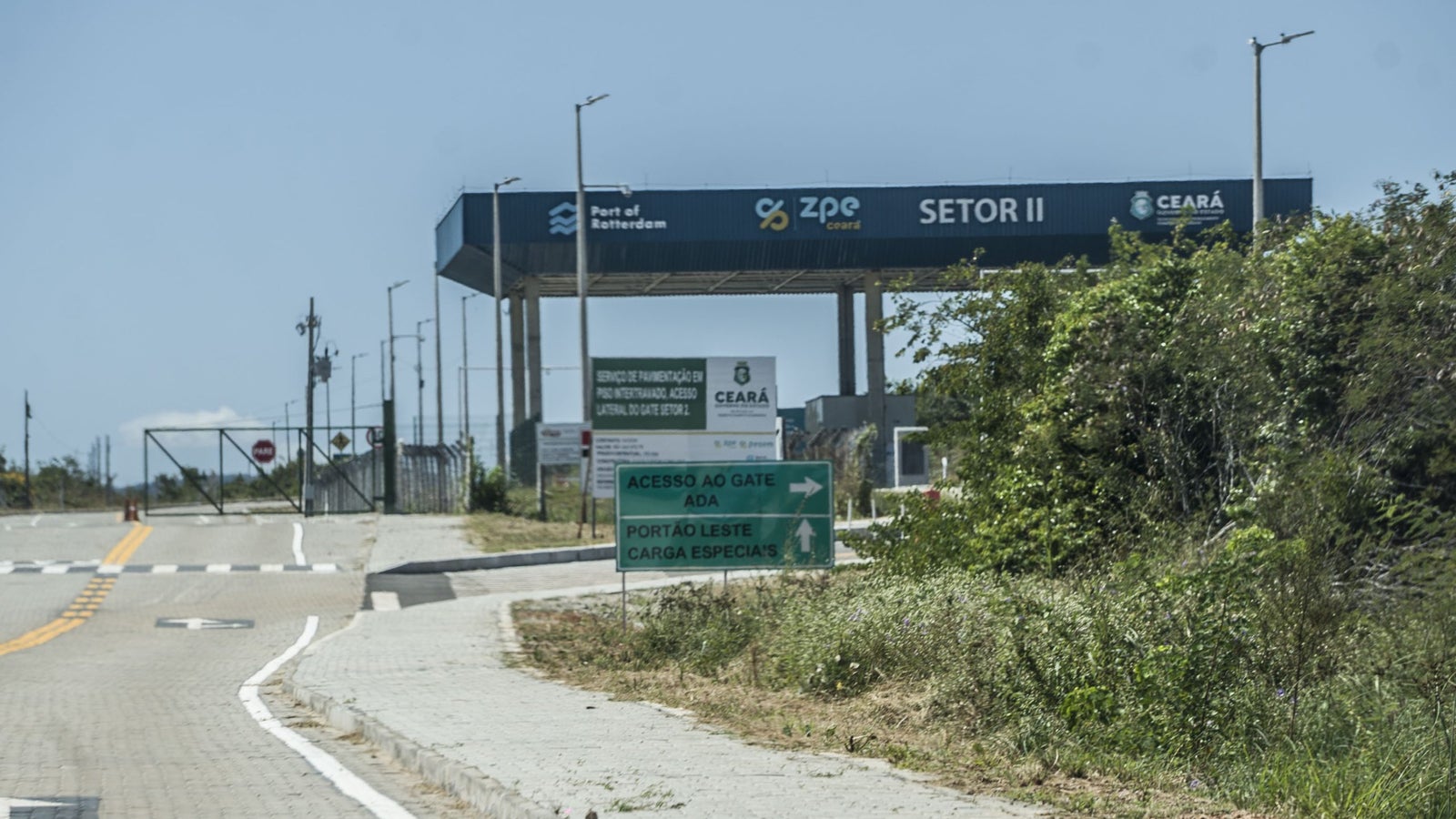
The Anacé say the Brazilian Constitution grants them rights over land traditionally occupied by their community, regardless of ownership documents.
Indigenous groups worldwide are confronting data centers on their traditional land — and in some cases, collaborating with them. In Australia, about 20 Indigenous-owned data centers, in partnership with Microsoft, are in the works. Indigenous groups in Canada, too, are collaborating with companies — and one group plans to own and operate its own data center in Alberta.
For the Anacé, fighting off companies from their land has come at a high cost. As of August, seven Anacé leaders were in a protection program for environmental defenders due to death threats and the risk of violence. The threats are under investigation, according to members of the community.
The risks have not deterred the Anacé, who are considering next steps, such as occupying a government office or blocking highways. After decades of being ignored and disparaged by companies promising to bring progress to the state of Ceará, this movement against the data center is essential, said Ytaysaba.
“In the past, they killed and expelled us,” he said. Now, by refusing to consult with them, “they make us invisible.”
This story was produced in collaboration with The Intercept Brasil.