This story is adapted from writer Emily Wither’s recent Rest of World feature, Syria’s quest to build its own Silicon Valley.
For the first time in a long time, Syrian entrepreneurs are hopeful.
The country’s nascent tech scene was put on hold in 2011, when protests against the regime of Bashar al-Assad during the Arab Spring were met with extreme force. Over the next decade, a brutal civil war quickly drew in government forces, rebel groups, Islamist extremists, and foreign powers. Sanctions imposed by the U.S. and other Western powers — intended to limit the regime’s ability to wage the war and push accountability for human rights abuses — left Syrians even more economically isolated.
In December 2024, rebel fighters stormed the capital, Damascus. Assad, whose family had ruled for more than 50 years, fled to Moscow. The collapse of the regime came as a shock to many, both abroad and in the country. Some people who fled as refugees under Assad have begun returning home. Local tech entrepreneurs now express optimism about Syria’s new leader, Ahmad al-Sharaa, who was until recently designated a terrorist by the U.S., but has received cautious praise for showing restraint and statesmanship. He laid out plans for rebuilding a more united Syria, and recently appeared at the UN General Assembly in New York City to call for an end to sanctions on the country.
Syrian tech optimists shared with Rest of World their hope that a wave of innovation can help the country begin to bounce back. And some young companies are thriving. In our recent feature about the rebirth of the country’s tech scene, we highlighted three of the leading domestic apps that are trying to help build the new Syria.
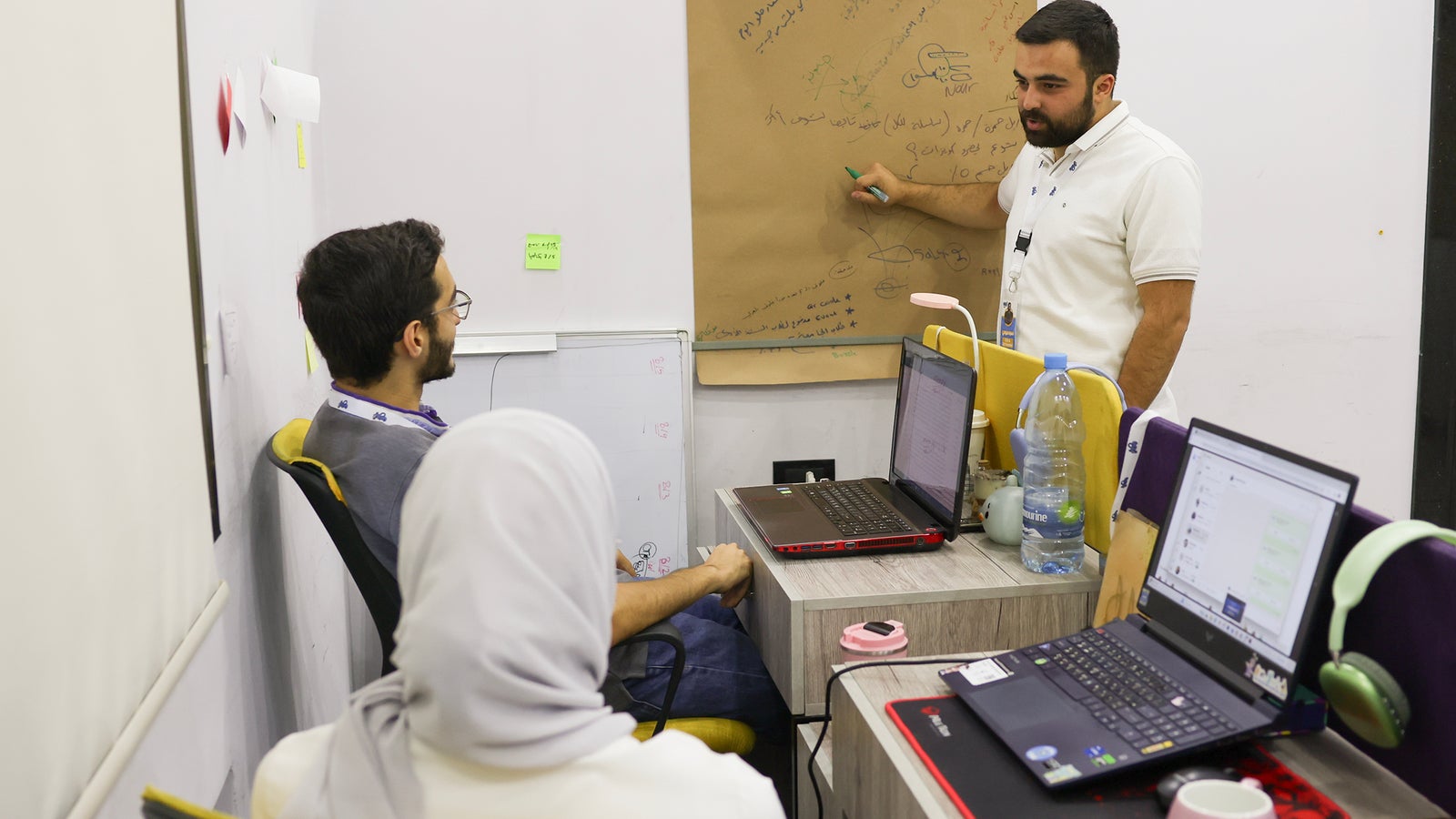
Quizat
“It was our dream, but it was surprising,” said Hamza Hourani, founder of app Quizat, of Assad’s departure. “The first thing that happened when the regime fell is that the mobile phones started working again!”
Quizat is an education app that helps high-schoolers learn with games and quizzes. Under the Assad regime, Hourani and his co-founder Bashar Saaduddin Al Jbawi had been threatened with arrest. The government wanted access to their customer database and a cut of their profits. Such pressure was a common experience, as a regime crippled by sanctions and war was trying to take cuts from its impoverished citizens.
Quizat had been running for over a year, with around 15,000 downloads, before the regime fell. Since then, it has grown; it now has more than 50,000 downloads in the Google Play store. It hired a senior programmer to introduce AI-driven educational features, and Hourani says he is in talks with investors about expanding to more countries.
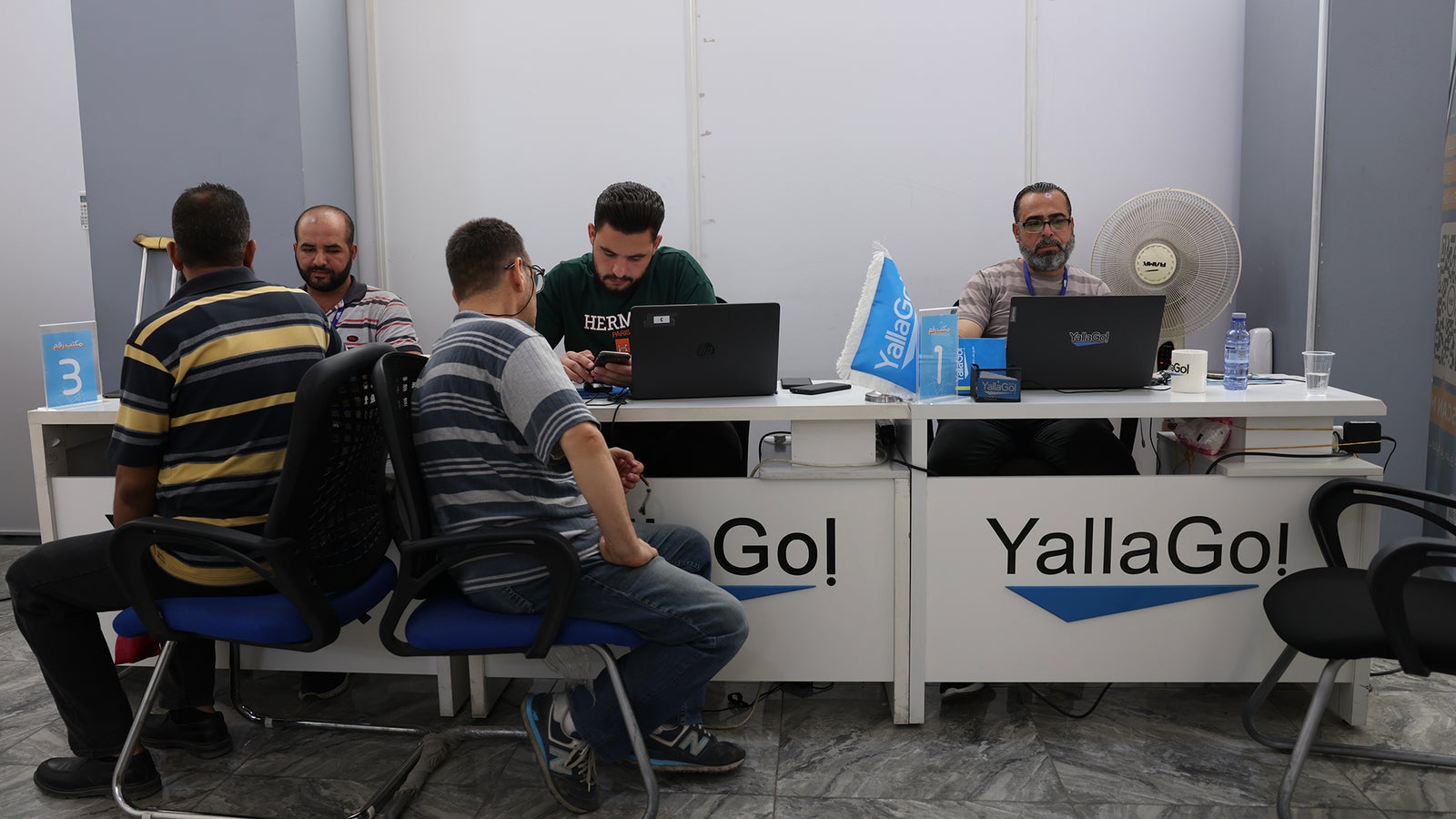
YallaGo
The ride-hailing app YallaGo was one of a handful of Syrian tech companies that succeeded during the war. Started in 2018, founder Khaled Moustafa says YallaGo was hassled by the government, which demanded that the company share its customer and driver databases, hand over shares, and pay off regime officials. When authorities switched off access to the proxy server that hosted the YallaGo app, supporters of YallaGo took to the streets and social media in a rare, public show of anger. Within 24 hours, authorities switched the server access back on. The protest was due to the fact that, in a country where almost 90% of people lived below the poverty line, YallaGo had become a source of income for around 15,000 families and an almost essential service for half a million customers.
Moustafa left Syria before the war, in 2001. Speaking from his office in Dubai, he told Rest of World he felt a responsibility to support those who stayed. After Donald Trump’s announcement that U.S. sanctions would be lifted, Moustafa said that he wants to turn YallaGo into a super-app. It has expanded within Syria, and hired more employees. He also hopes to expand abroad, and is in the process of launching an academy to create a hub for ideas and aspiring entrepreneurs.
BeeOrder
The grocery delivery app BeeOrder was started in Damascus in 2015, with branches in four other cities. Co-founder Abdel Malek Al-Mouzayen has said that, at the time of its launch, “Syrians only used their smartphones for two things: WhatsApp and Facebook. We were one of the first apps empowering them to do more.” Like YallaGo, BeeOrder offered a glimpse of a more streamlined, contemporary way of living to Syrians suffering through a civil war. “Users were excited and felt like they were living in the U.S.,” Al-Mouzayen said in an interview with the blog Realistic Optimist. “We were a productive revolving door for the early Syrian startup scene. We had talent work for us for six months before leaving to launch their own thing. We were fine with that.” As of July 2025, according to the interview, the app generates 120,000 orders per month.