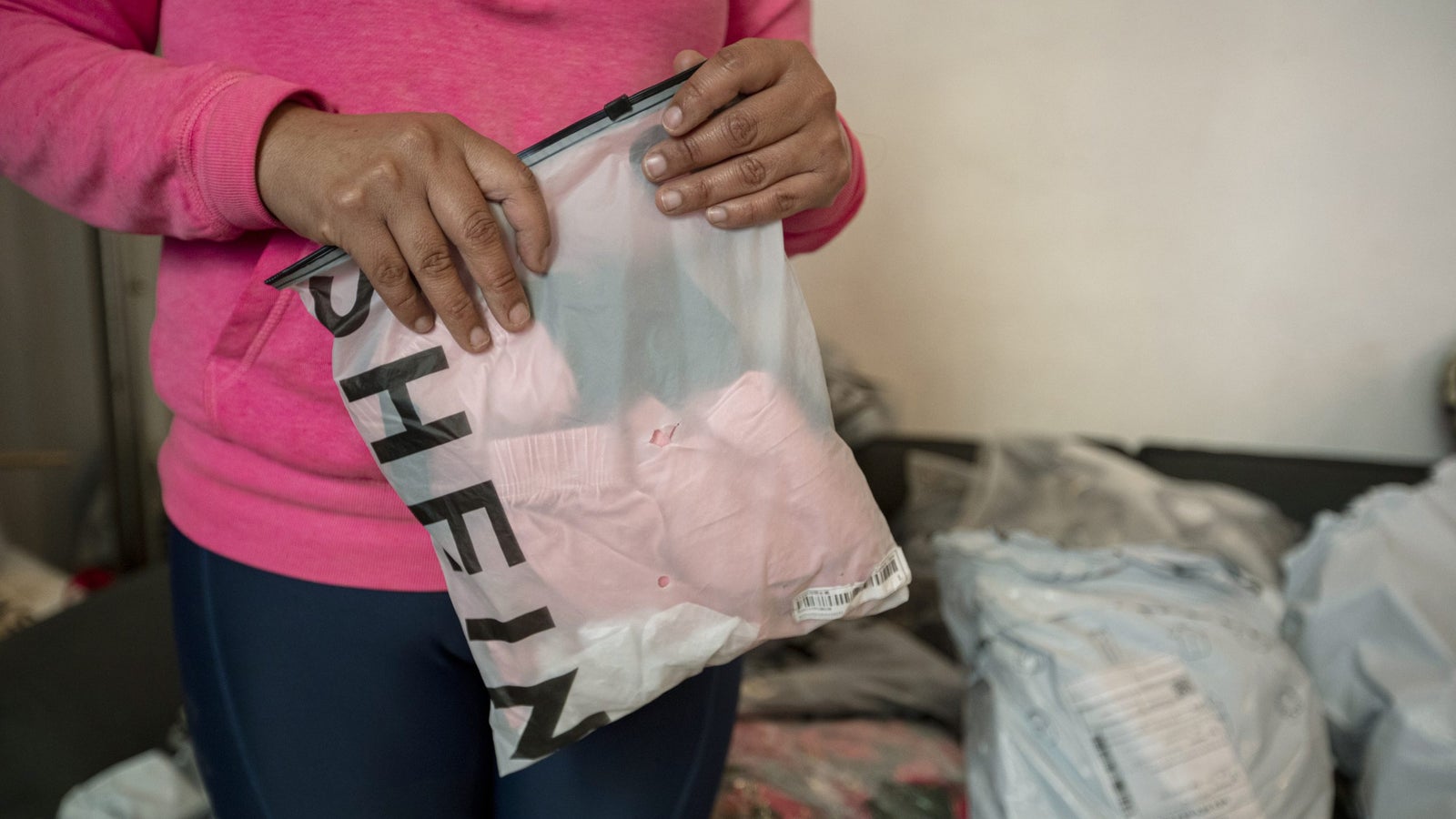
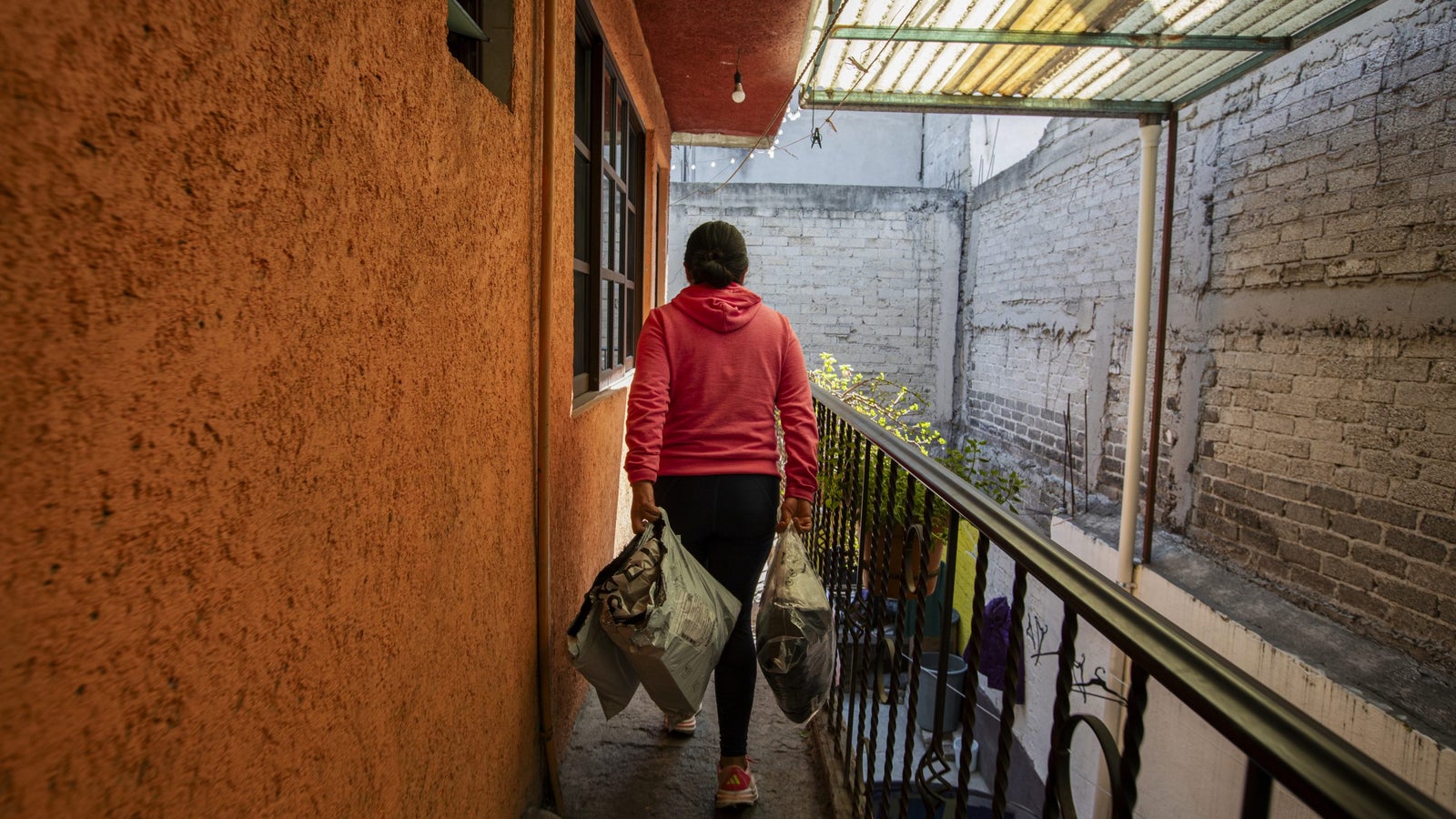
For years, Lucía’s biggest worry as a reseller of items sold on e-commerce platform SheinSheinFounded in China in 2008 and headquartered in Singapore, Shein is a fast fashion brand that grew rapidly through exposure on social media.READ MORE was keeping a stock of unsold clothes at her home in Mexico City. Now, her stress revolves around the hefty new tax she has to pay on every purchase she makes on the site, which eats into her already thin margins.
“The truth is that most of us who sell like this don’t pay taxes,” Lucía, 38, told Rest of World, requesting to be identified only by her first name because she’s not registered with Mexico’s Tax Administration Service. While Lucía has not increased her prices, other resellers have raised theirs by 15% to 20% to cover the additional expense, she said.
In December, the Mexican government announced a 19% tariff on all products coming in from countries with which it does not have a trade agreement, including China. Companies such as Shein, Temu, and Alibaba — that have so far been able to sell cheap goods on their platforms — now face competition from local manufacturers, and must contend with an exodus of buyers as they bump up prices, retail experts told Rest of World. The new tariff, they said, is an attempt to curb the impact of Chinese fast fashion on local manufacturing.
One unintended casualty of the new tax is the livelihoods of catalog salespeople and shopping intermediaries who resell items from these platforms — some 3.1 million people, many of whom are working-class, middle-aged women. They order clothing and accessories from the platforms, sometimes using the coupons the company gives out to those making large purchases, and resell them to customers at slightly higher prices. Most are not registered with the revenue service and do not pay taxes.
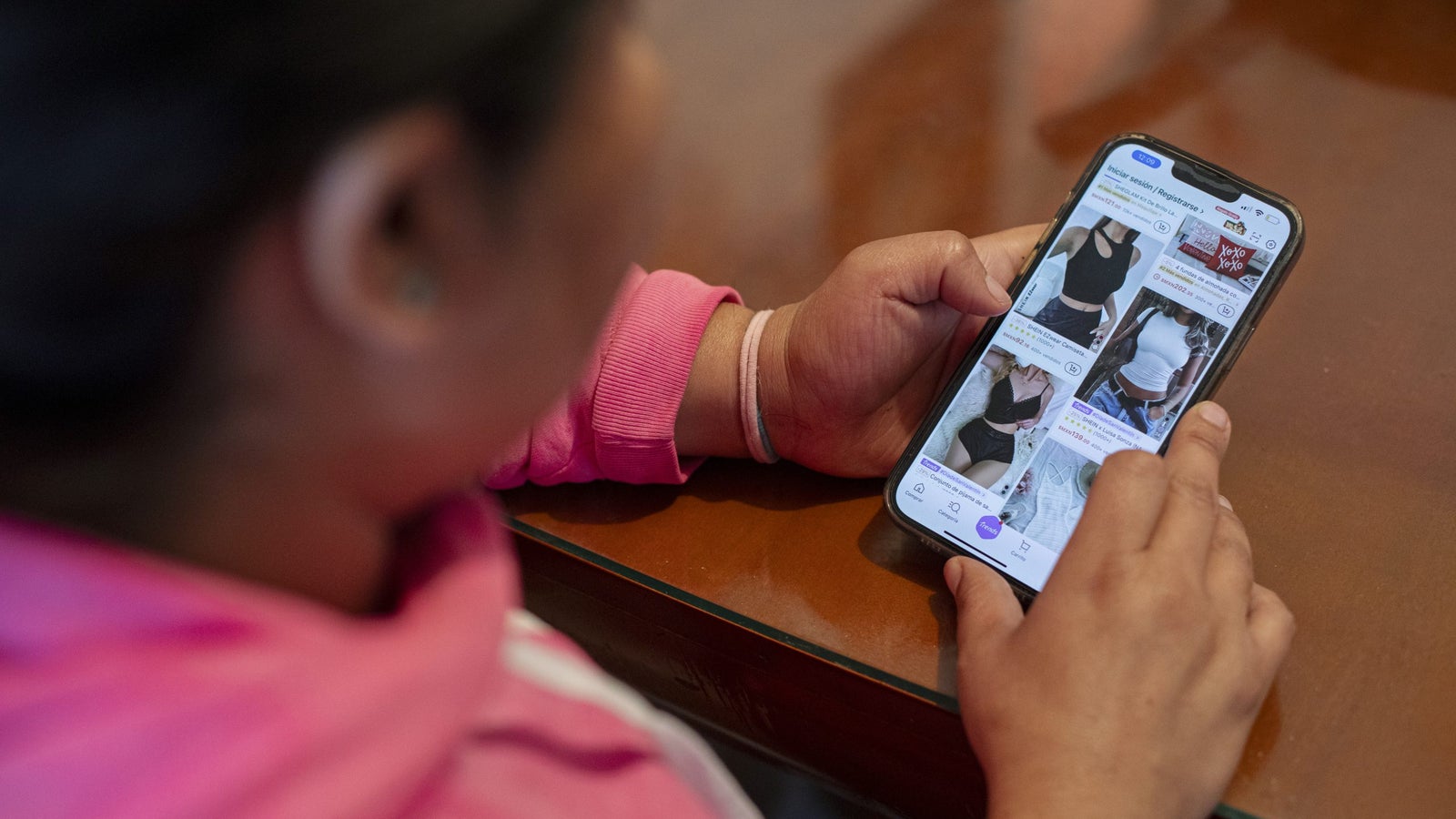
“Small resellers will now face difficulties to compete on price” with e-commerce platforms and brick-and-mortar shops, José Manuel Urreta, president of the National Association of Regional Business Councils, told Rest of World. This “could push [customers] to seek cheaper products in informal markets,” which aren’t subject to import tariffs, he said.
E-commerce is a big business in Mexico, the second largest online market in Latin America after Brazil. Of the nearly $4.5 billion worth of textiles and apparel Mexico imported in 2023, about a fifth came from China, according to data from the Ministry of Economy. Imports from the Asian country led to an 8% drop in Mexico’s textile industry, and a loss of 20,000 jobs in 2024, said Urreta.
The government imposed the new tariff to address unfair competition from abroad that was suffocating the local textile industry, Vidal Llerenas, undersecretary of industry and commerce at the Ministry of Economy, told Rest of World.
“You can’t compete with countries that have more production capacity than they can place in the world, and that are willing to give away those products,” Llerenas said.
For years, Asian e-commerce platforms benefited from a tax exemption on goods valued at under $50, often organizing packages to ensure their cost did not exceed that amount. This gave them a competitive advantage over local manufacturers whose operational costs were higher, said Urreta.
Women like Lucía, who are part of the country’s large informal economy, have been key to the success of these companies. Their networks of clients often comprise young and low-income people, who typically work or live in the same neighborhoods as the resellers.
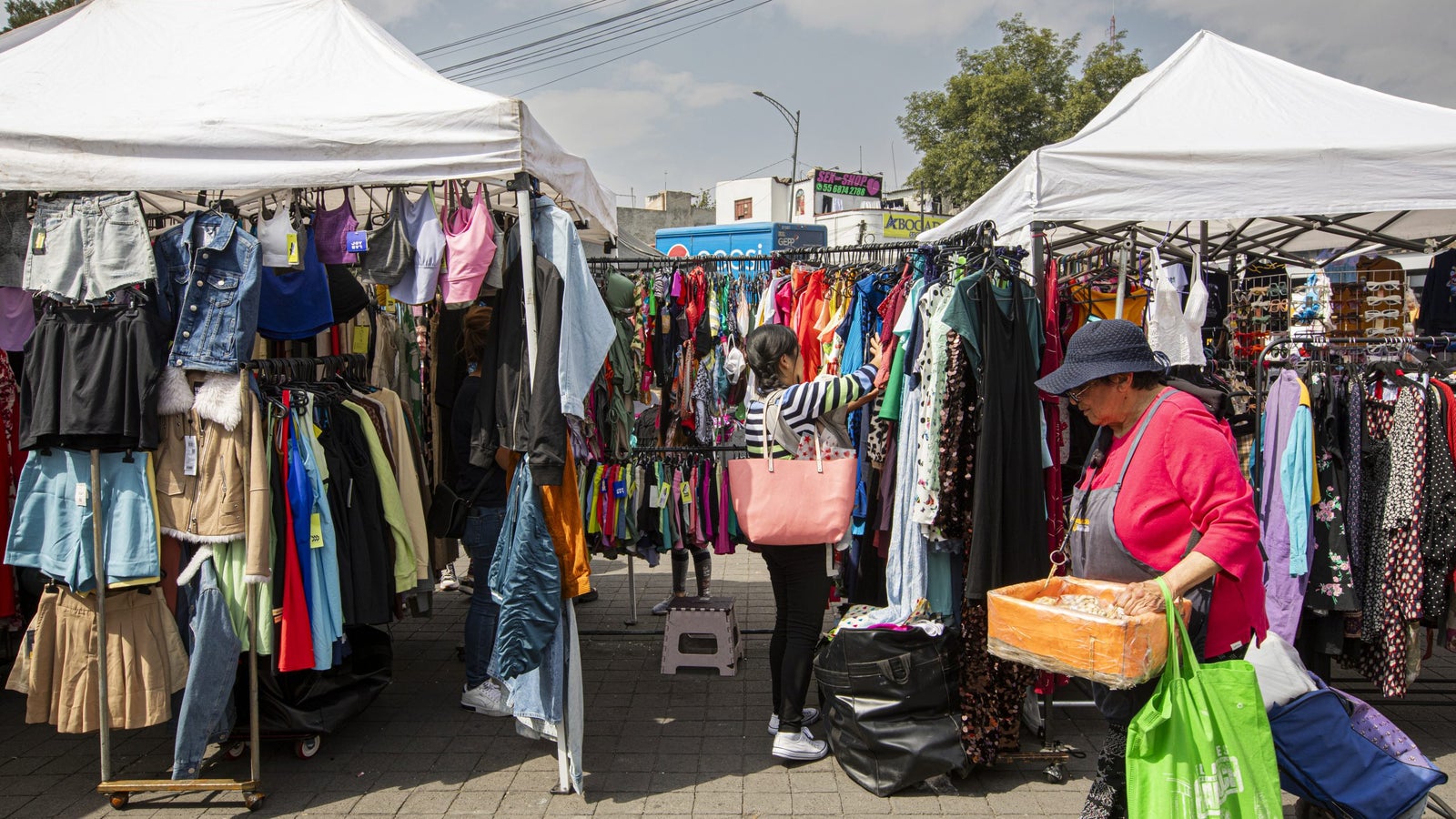
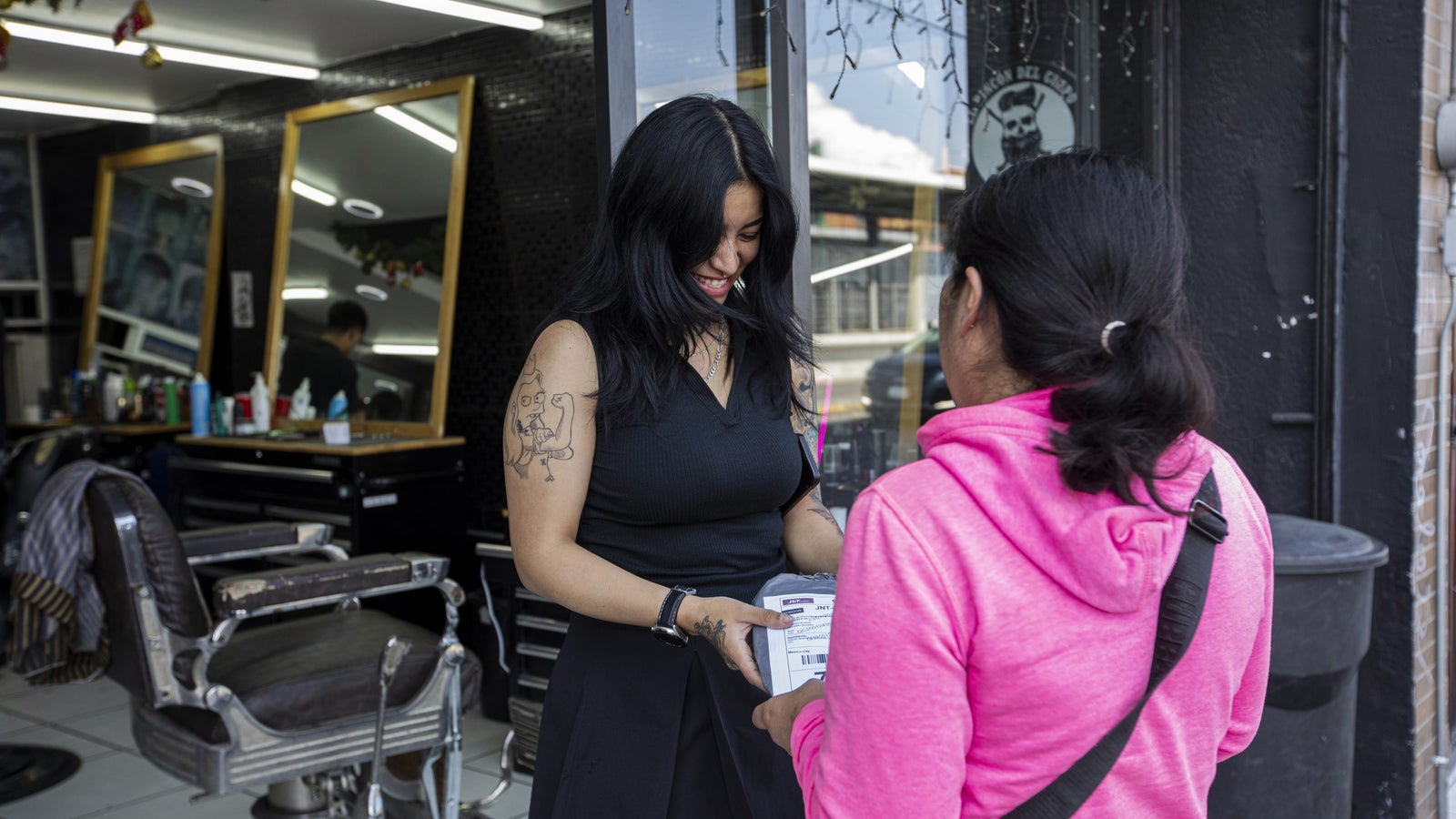
Nayeli, a Shein and Temu reseller in Mexico City, runs a WhatsApp group chat with 73 female customers who buy, on average, two to three items from Shein through her per week. Since the new tax was implemented, her clients have paid for half their orders up front, she told Rest of World.
“I don’t charge anything extra, because even if I have less profit, I want the clients to stay with me,” said Nayeli, who requested that only her first name be used because she is an informal worker. “If they leave, it affects my orders, as Shein will no longer give me discounts.” Shein gives buyers coupons based on the size of their orders: If resellers buy less, the platform offers them smaller discounts, and their profit margins decrease.
Shein’s head of communications and public relations in Mexico, Patrick Lassauzet, told Rest of World the new tax won’t affect the company’s sales in the country. The average consumer now has “more access to credit, payment methods,” he said.
The government expects the tariff to push Asian e-commerce giants to grow their nearshoring operations in Mexico, possibly restoring some of the 79,000 jobs it lost during the last few years, according to Llerenas.
Temu and Alibaba did not respond to a request for comment regarding the effects of the new tariff on their operations.
Mexico isn’t the only country pushing back against Chinese e-commerce sites — Colombia, Indonesia, and Malaysia, among others, have also imposed tariffs in an effort to protect local industry.
The new tax may have a limited impact, as Chinese e-commerce platforms “may continue to send products to Mexico without correctly declaring their value or dividing shipments to avoid taxes,” said Urreta. Instead of targeting Asian goods, the Mexican government should combat smuggling, tighten e-commerce regulations, strengthen domestic production, and promote the consumption of domestic products through other means, he added.
Shein abides by Mexico’s regulations, Lassauzet said.
While Chinese e-commerce companies figure out how to remain profitable in Mexico, the Mexican government is in talks with Amazon and MercadoLibre to strengthen North American e-commerce as a trade bloc, said Llerenas.
“We are working so that there could be marketplaces,” he said. “For example, one for Mexican wine with Amazon and MercadoLibre, and for other Mexican products that could have their own marketplace on these platforms.”
A spokesperson for Amazon in Mexico declined an interview request from Rest of World.
As the new tax takes effect, “resellers in Latin America will face lower profit margins, and the profitability of their businesses will be reduced,” Samantha Beltrán, an independent e-commerce expert, told Rest of World.
Under the new tariff, informal resellers must declare their earnings to Mexico’s tax authority. Many have historically led off-the-books operations. “I try not to have so much money coming in. I charge in cash, and put that cash on my brother’s, my husband’s or my mother’s bank card,” said Lucía.
Nayeli said she doesn’t plan to register with the revenue service. She believes that new clients, scared off by the added cost of the new tax, will be hard to come by. She trusts that her regular customers, who usually place weekly orders, will remain loyal to her.
“I already have my loyal customers, so with that margin I’m going to stay,” she said.