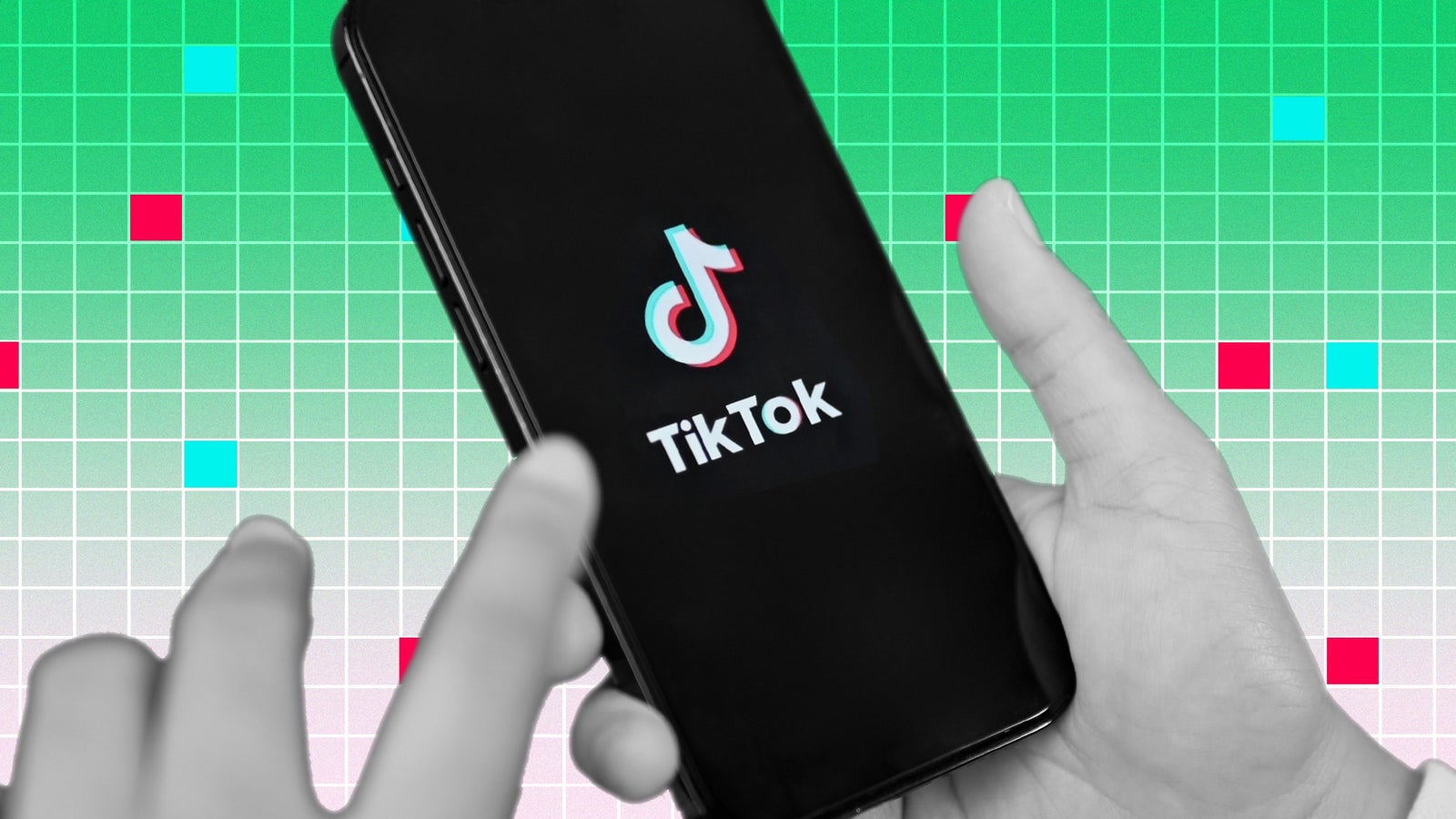
After years of trying, the U.S. has finally issued ByteDance with an ultimatum: Sell TikTok or the app will be banned. The bill passed Congress with overwhelming support on Tuesday as part of a broader foreign aid package, and was signed into law by President Biden on Wednesday morning. It’s the most extreme measure the U.S. has taken so far in its effort to insulate itself from Chinese influence — and while the immediate impact is focused on one company, the secondary effects are likely to be much broader.
NBC News has a good rundown on the technical details of the ban, but for now, TikTok is pledging to challenge the bill. “We will keep fighting for your rights in the courts,” CEO Shou Zi Chew said in a TikTok after the bill was signed. “The facts and the Constitution are on our side.”
The company will almost certainly win a stay to pause enforcement of the law, and could well prevail at the end of it all. But going through that process will take at least two years, after which Congress can simply try again. As long as lawmakers believe Chinese ownership is a security threat, ByteDanceByteDanceByteDance is a Chinese internet technology company that owns TikTok and Douyin, a Chinese version of TikTok with a successful e-commerce arm.READ MORE’s position in the U.S. will never be fully secure. Even if ByteDance isn’t forced to sell, endless legal warfare may make a sale look more appealing.
In fact, it’s not clear any Chinese company should feel safe about their future prospects in the U.S. Some are already trying to spin their way out of trouble: Last week, Chinese drone manufacturer DJI launched a new “trust center” meant to give more detail on how the company’s drones deal with data — and, implicitly, why the U.S. shouldn’t bar them from the country as a security threat.
Like TikTok and Huawei before it, DJI is trying to prove there’s nothing to worry about. But it’s hard to see any possible way to do that, given that the concern isn’t about the robustness of any particular security measure — it’s the underlying fear that Chinese companies will abandon that level of security if asked by their government.
As long as the supply chain runs through China, hawks in the U.S. will always see it as a potential threat. We’ve seen that logic applied to consumer devices like smartphones, infrastructure like telecoms hardware, and even manufacturing tools like semiconductor fab equipment. You can argue that we’ve even seen it applied to money, with the CFIUS process litigating which companies can take investment from foreign firms.
TikTok, though, is an entirely new front in this war. Here, the restriction isn’t on physical goods crossing borders, but on a platform that Americans use to interact with each other. The case against TikTok isn’t just that it collects too much data, but that it influences U.S. opinion in ways lawmakers don’t like. The ban isn’t just a matter of military or economic competition, but competition over the flow of ideas and information. It’s an ominous new direction, and the consequences are unlikely to stop with ByteDance.